
FUPA and Testosterone in Men
Page Contents
- FUPA and Testosterone in Men
- What Is Low Testosterone in Men
- How Low Testosterone Drives Lower-Body and Pubic Fat
- The Two-Way Cycle Between Fat and Testosterone
- Symptoms of Low Testosterone in Men
- How Low Testosterone Is Diagnosed
- The UK Diagnostic Threshold
- TRT Versus a Lifestyle-First Approach
- Related Conditions Worth Ruling Out
- When to See a GP
- Frequently Asked Questions
- Can Low Testosterone Cause Belly Fat?
- What Is Considered Low Testosterone?
- How Is Low Testosterone Diagnosed?
- Can Losing Weight Raise Testosterone Naturally?
- Is TRT Available on the NHS?
- Does Sleep Apnoea Affect Testosterone?
FUPA and Testosterone in Men
Many men researching a stubborn lower-belly bulge eventually ask whether hormones are involved rather than diet alone. Falling testosterone genuinely reshapes where the body stores fat, concentrating it around the lower abdomen and pubic area described on our FUPA in men hub.
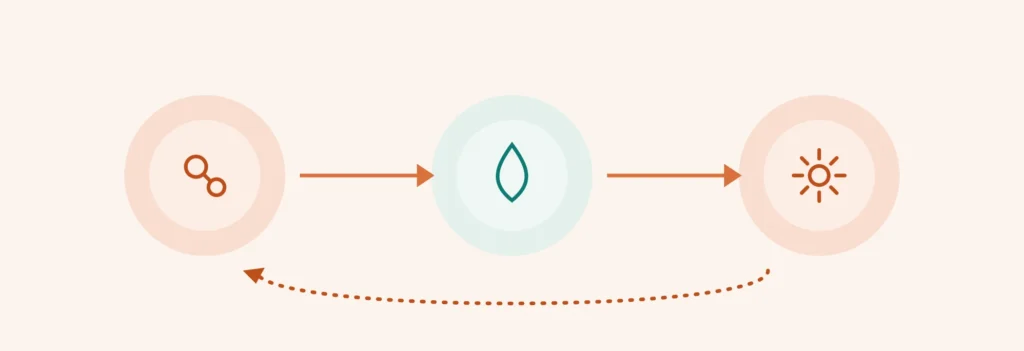
Fat tissue is not passive storage; it actively produces aromatase, an enzyme that converts circulating testosterone into oestradiol. As lower-body fat increases, this conversion accelerates, pushing testosterone lower while raising oestrogen, which favours further fat.
This is why the relationship runs both ways: low testosterone encourages fat storage, and stored fat further suppresses testosterone through SHBG changes and aromatase activity, forming a self-reinforcing cycle few men recognise until it visibly worsens.
What Is Low Testosterone in Men
Hypogonadism, or testosterone deficiency syndrome, describes a persistent shortfall in testosterone production severe enough to cause symptoms. It can be primary hypogonadism, originating in the testes, or secondary hypogonadism, originating in the hypothalamic-pituitary-gonadal axis itself.
Most men researching a FUPA are not dealing with classic disease-driven hypogonadism, but with a milder, age-related decline in testosterone that overlaps with rising body fat, a pattern researchers term the pseudo-hypogonadism of obesity itself.
Crucially, this distinction matters for treatment. Pathologic hypogonadism from structural or genetic causes usually needs lifelong management, whereas the obesity-linked pattern frequently improves once body composition changes, often without requiring any testosterone replacement therapy whatsoever.
How Low Testosterone Drives Lower-Body and Pubic Fat
Testosterone normally helps regulate where fat is stored, favouring lean muscle over abdominal accumulation. When levels fall, fat preferentially shifts toward visceral adiposity and the lower abdomen, producing the pattern many men describe as a FUPA.
SHBG, the protein that carries testosterone in the blood, tends to drop alongside rising body fat, reducing usable testosterone further. Meanwhile, subcutaneous fat around the pubic area accumulates through the same hormonal shift, independent of overall weight.
Researchers measuring the visceral adiposity index consistently find that men with higher scores show lower testosterone and greater risk of deficiency, particularly with age, suggesting android fat distribution itself partly drives the hormonal decline observed clinically.
The Two-Way Cycle Between Fat and Testosterone
Clinicians describe obesity-related low testosterone as a reciprocal interaction: excess fat lowers testosterone, and lower testosterone encourages further fat gain, particularly around the abdomen, creating a loop that resists simple willpower-based fixes alone.
This pattern is often classified as a nongonadal illness syndrome rather than true organ failure, meaning the underlying metabolic shift disrupting glucose control, insulin regulation, and lipid handling is frequently reversible once the driving weight gain is addressed.
Chronic inflammation produced by excess fat tissue compounds the problem, further suppressing the hypothalamic-pituitary-gonadal axis. Breaking the cycle usually requires addressing fat mass directly, since testosterone alone rarely normalises without meaningful, sustained weight loss.
Symptoms of Low Testosterone in Men
Sexual
- Reduced libido
- Erectile dysfunction
- Loss of nocturnal erections
Physical
- Persistent fatigue
- Reduced muscle mass
- Increased body fat
- Reduced bone density
Psychological
- Low mood, irritability
- Poor concentration
- Reduced motivation
Sexual symptoms are often the most noticeable: reduced libido, erectile dysfunction, and loss of nocturnal erections frequently prompt men to seek help, though they are commonly dismissed initially as stress, tiredness, or simply getting older.
Physical symptoms include persistent fatigue, reduced muscle mass, increased body fat, and reduced bone density, which raises long-term osteoporosis risk. Many men notice body composition changing despite training consistently, without realising hormones may be involved.
Psychological symptoms deserve equal attention: low mood, irritability, poor concentration, and reduced motivation can resemble depression closely enough that some men are treated for mood alone before anyone considers a hormonal blood test.
How Low Testosterone Is Diagnosed
Diagnosis begins with a morning total testosterone blood test, since levels are naturally highest earlier in the day and fluctuate significantly afterwards. A single reading is rarely conclusive, so repeat testing is standard clinical practice.
If levels are confirmed low, doctors often measure luteinizing hormone and follicle-stimulating hormone, abbreviated LH and FSH, to distinguish primary testicular causes from problems originating higher in the hormonal signalling pathway controlling production.
Prolactin levels may also be checked, since elevated prolactin can independently suppress testosterone. Throughout, serum testosterone concentration is interpreted alongside symptoms and medical history rather than as an isolated number in isolation.
The UK Diagnostic Threshold
British Society for Sexual Medicine threshold, based on a morning blood test interpreted alongside symptoms and repeated to confirm before diagnosis.
In the UK, the British Society for Sexual Medicine, known as BSSM, defines low testosterone as total testosterone below 8 nmol/L, with a grey zone between eight and twelve where free testosterone and symptoms guide decisions.
This threshold matters because testosterone reference ranges vary between laboratories, and borderline results are common. Clinicians increasingly weigh symptom scoring alongside the raw number rather than treating any single blood result as definitive on its own.
A 2024 BMJ Open survey conducted with Imperial College London found that many men scored as high-likelihood for deficiency based on symptoms alone, yet very few had ever received a formal diagnosis through proper testing.
TRT Versus a Lifestyle-First Approach
Testosterone replacement therapy, or TRT, is not automatically the first response to obesity-related low testosterone. Because the underlying pattern is often reversible, weight reduction through diet and exercise frequently restores healthier hormone levels without medication — see our guide on how men can lose a FUPA for a practical plan.
Unsupervised or off-label testosterone treatment carries real risks, including infertility risk and other adverse effects, particularly when the true cause is excess body fat rather than genuine testicular or pituitary failure requiring lifelong replacement.
Where obesity is the primary driver, clinical evidence favours sustainable lifestyle change over immediate prescribing. TRT remains appropriate for confirmed pathologic hypogonadism, but is generally considered less effective than addressing body composition first wherever possible. For men who do progress toward medical treatment, our FUPA surgery guide covers the surgical route once non-surgical options have been exhausted.
Related Conditions Worth Ruling Out
Sleep apnoea, more precisely obstructive sleep apnoea, frequently coexists with both excess abdominal fat and low testosterone, and untreated sleep apnoea can independently suppress hormone production, complicating any attempt to diagnose the underlying cause accurately.
Type 2 diabetes mellitus shares the same hormonal and metabolic pathways as obesity-related low testosterone, and treating one condition often improves the other. Depression should also be assessed, since symptoms overlap considerably with genuine hormonal deficiency.
Elevated cortisol from chronic stress can further lower testosterone and encourage abdominal fat storage. Reviewing concomitant drug regimens and improving NEAT, or non-exercise activity thermogenesis, are practical steps clinicians consider before prescribing anything further. Genetics also plays a role in how fat and hormones interact — see our guide on FUPA hormones and genetics for the fuller picture.
When to See a GP
NHS referral criteria generally require documented symptoms alongside a confirmed low morning blood test result, so keeping a symptom record before booking a GP assessment helps ensure the consultation is taken seriously and progresses efficiently.
Medical history review and a physical examination typically accompany blood test interpretation, since factors such as medication use, sleep quality, and weight history all influence how a borderline result should be understood by the clinician.
Men experiencing persistent fatigue, low libido, or unexplained fat gain around the lower abdomen alongside these symptoms should raise testosterone specifically with their GP, rather than assuming the changes are simply an inevitable part of ageing.
Frequently Asked Questions
Can Low Testosterone Cause Belly Fat?
Yes. Falling testosterone shifts fat storage toward the abdomen and pubic area, and abdominal fat tissue produces aromatase, which converts testosterone into oestrogen, further lowering levels and reinforcing the same pattern of central fat gain.
This creates a cycle rather than a one-off cause: low testosterone encourages fat storage, and that stored fat suppresses testosterone further, which is why the belly area often responds poorly to diet and exercise alone.
Addressing both sides together, through weight reduction and, where clinically indicated, medical evaluation, tends to produce better outcomes than targeting either the hormone or the fat storage in isolation, according to current clinical evidence.
What Is Considered Low Testosterone?
In the UK, the British Society for Sexual Medicine defines low testosterone as total testosterone below 8 nmol/L, with a grey zone between eight and twelve nmol/L where free testosterone and symptoms guide the decision.
Reference ranges vary between laboratories and testosterone fluctuates throughout the day, which is why a single result rarely confirms deficiency. Morning testing and repeat measurement are standard practice before any diagnosis is finalised.
A 2024 UK survey found many men scored as high-likelihood for deficiency based on symptoms alone, yet very few had received formal diagnosis, suggesting the condition is more common than testing rates currently suggest.
How Is Low Testosterone Diagnosed?
Diagnosis starts with a morning total testosterone blood test, since levels peak earlier in the day. A single low reading is not usually sufficient, so doctors typically repeat testing before confirming genuine deficiency exists.
If results confirm low levels, further tests measuring LH and FSH help distinguish testicular causes from problems higher in the hormonal signalling pathway, while prolactin levels rule out other contributing hormonal imbalances entirely.
Throughout the process, results are interpreted alongside symptoms, medical history, and physical examination rather than as an isolated number, since context significantly changes how a borderline testosterone result should be understood clinically.
Can Losing Weight Raise Testosterone Naturally?
Often, yes. Research shows that clinically significant weight loss substantially reverses obesity-related reductions in testosterone, since much of the suppression comes from excess fat tissue itself rather than permanent testicular or pituitary damage.
This obesity-related pattern is classified as a nongonadal illness syndrome, meaning it is usually reversible once the underlying weight, sleep apnoea, or type 2 diabetes driving it is properly managed through sustained lifestyle change.
Because of this, clinical guidance generally favours weight reduction as a first step over immediate testosterone replacement therapy, reserving TRT for cases where genuine pathologic hypogonadism is confirmed through proper testing and evaluation.
Is TRT Available on the NHS?
Yes, but access is not straightforward. Strict diagnostic criteria, limited GP experience with hormonal conditions, and long waiting times mean many men with genuine symptoms remain untreated for extended periods before receiving appropriate care.
Confirmed low morning blood test results alongside documented symptoms are generally required before referral, so keeping a symptom record ahead of a GP appointment can help the consultation progress more efficiently toward proper assessment.
Where obesity is the primary driver, NHS guidance typically favours addressing weight and related conditions like sleep apnoea first, since testosterone often normalises without medication once body composition genuinely improves over time.
Does Sleep Apnoea Affect Testosterone?
Yes. Obstructive sleep apnoea frequently coexists with both abdominal fat and low testosterone, and untreated sleep apnoea can independently suppress hormone production, making it harder to identify the true underlying cause without proper assessment.
This overlap matters clinically because treating sleep apnoea sometimes improves testosterone levels without any hormonal medication at all, particularly when disrupted sleep, rather than testicular or pituitary failure, was driving the deficiency.
Men experiencing loud snoring, daytime fatigue, or witnessed breathing pauses alongside low testosterone symptoms should mention sleep quality specifically to their GP, since it directly influences both diagnosis and the recommended treatment approach.