
Leggings for a FUPA: Waistbands, Seams and Fit
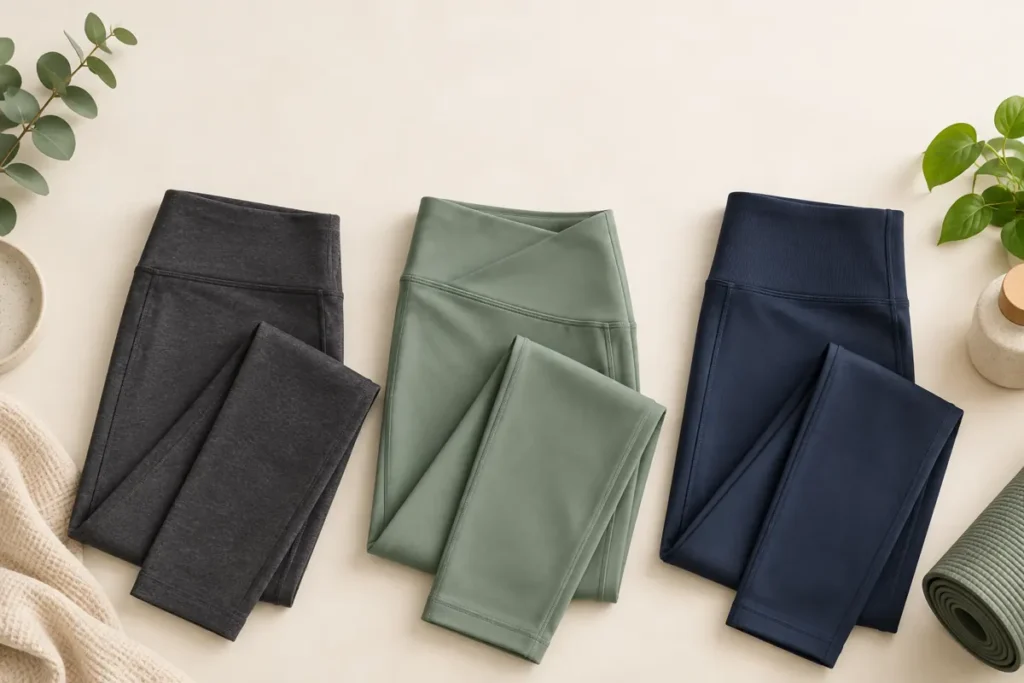
Finding leggings for a FUPA starts with where the waistband lands, rather than a promise to flatten your shape. A comfortable pair follows your lower belly through sitting, walking, and bending without needing constant adjustment.
A comfortable fit allows easy movement and breathing. If the waistband digs in while seated or slips during a short walk, check its rise and size before assuming stronger compression will reliably solve the problem.
Consider waistband placement during ordinary body movement. For everyday wear, sitting comfort may matter most; workout leggings also need secure coverage through bending and walking. Neither use requires painful pressure or constant adjustment during use.
Rise and Waistband
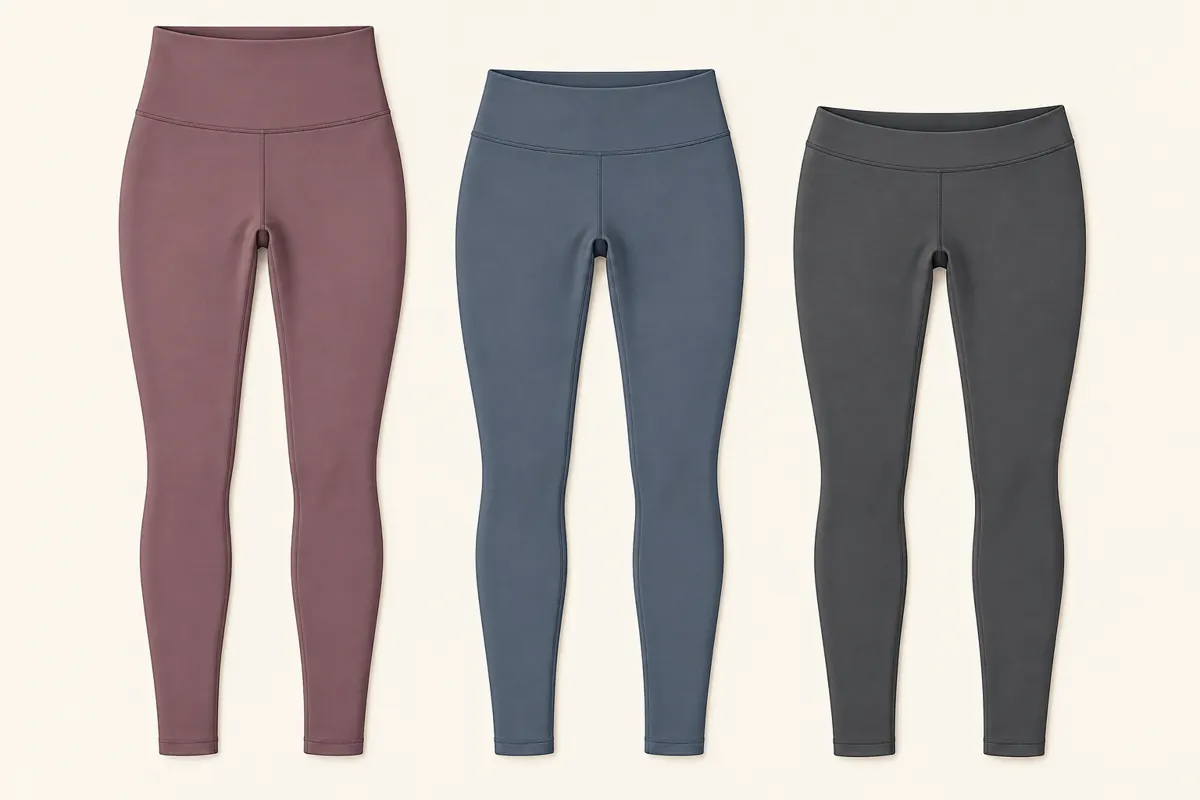
High-rise leggings usually reach the natural waist or higher, but labels vary between makers. Check the actual front rise and try the garment seated; a band that clears your belly standing can fold when seated.
Mid-rise leggings can work when a taller band bunches against the ribs. Their edge should rest comfortably instead of cutting across a sensitive crease. Compare the finished position with your preferred underwear and trousers instead.
A wide waistband crossing a belly curve can fold. A rolling waistband folds; a slipping waistband drops. Compare waistband position, torso length, and rise measurement seated and moving before buying. Notice pressure during normal movement.
Fabric, Coverage and Opacity
Good fabric stretch lets leggings move with your hips and knees without pulling the waistband down. Check elastic recovery by stretching a small area gently; the material should return smoothly instead of staying permanently loose.
An opaque fabric should retain coverage when stretched across the seat and thighs. Test it in bright natural light while bending. Dark colour alone does not guarantee that stretched material will remain opaque while seated.
Squat-proof leggings still need a daylight check. Four-way stretch supports movement; fabric weight affects coverage. Choose a comfortable compression level and breathable fabric. Test the intended size through bending and sitting. Recheck after normal movement.
Sizing and Movement Test
Start with your body measurements and the maker's brand size chart. Measure where that chart instructs, because its waist point may differ from the spot where you prefer the waistband to settle. Compare both positions.
Record both waist measurement and hip measurement if the chart requests them. When measurements fall between sizes, consult the maker's fit advice and assess stretch instead of automatically choosing the tighter option. Notice any changes.
Use a sitting test, bending test, and walking test. Check crotch fit and leg openings for pulling. Normal movements expose slipping and sheerness that standing still can hide, especially around the seat. Repeat tests slowly.
Seam Placement
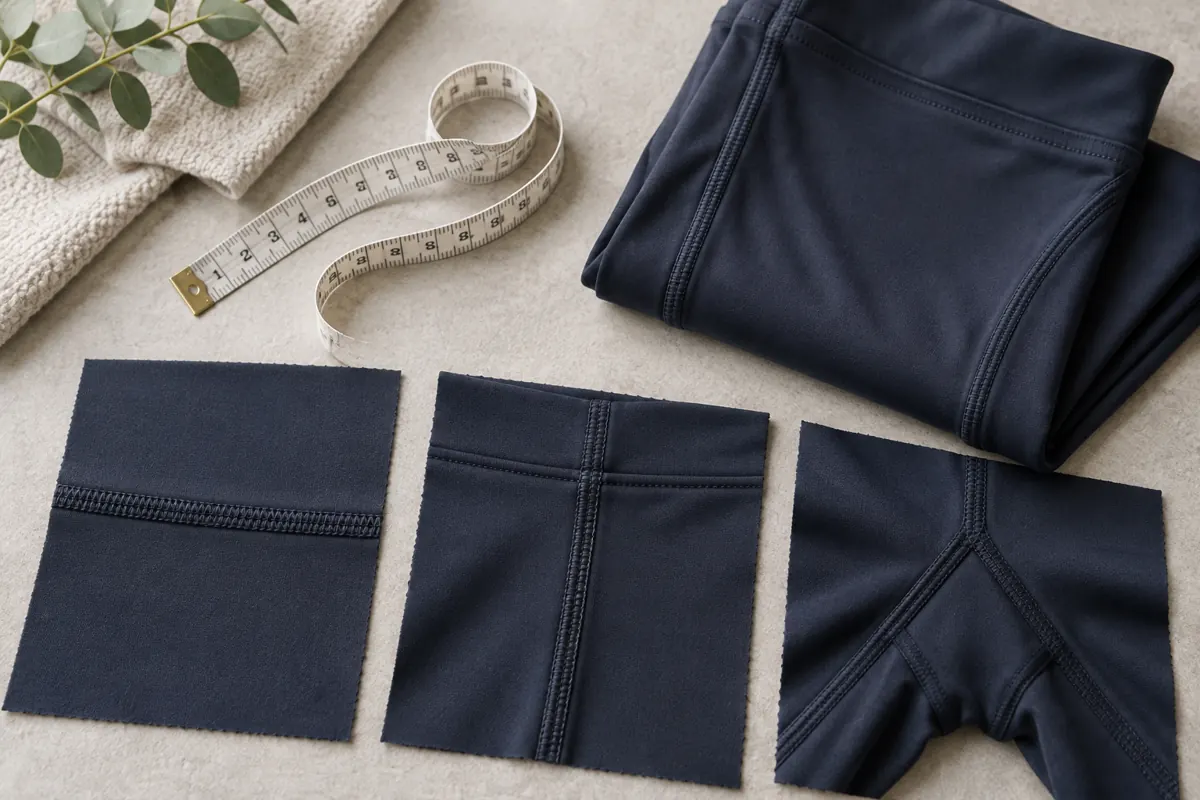
A front seam may create visible lines or pressure where the fabric stretches over the lower abdomen. Inspect the garment while seated as well as standing; personal comfort matters more than vague claims about smoothing.
An inner-leg seam should lie flat without rubbing during a short walk. If it twists or pulls towards the crotch, check garment size and construction. Persistent rubbing suggests trying a different cut. Test another pair.
A gusset and flat seams can feel smoother, but seam placement still matters. Check seam pressure and chafing while sitting and walking. Persistent rubbing calls for another cut or softer construction. Record the exact location.
Rolling and Sliding Fixes
When the band rolls down, note whether it folds at the front, sides, or all around. A band landing on a crease may need a different rise, while a collapsing edge may need firmer construction.
When the band slides down without folding, inspect stretched elastic and excess room at the waist. Walking can reveal this faster than standing. Check whether the crotch drops at the same time. Check again later.
A size too small can dig; a size too large can slip. Insufficient rise and worn elastic cause different problems. For a fit adjustment, assess waistband tension seated and moving. Avoid painful pressure during wear.
Everyday Versus Workout Leggings
Casual leggings can prioritise soft feel and easy sitting, provided they keep adequate coverage. Think about how long you wear them and whether seams or the waistband become bothersome later during a typical working day.
Training leggings need a secure fit through the movements you actually perform. Test bending and strides before a session. A garment comfortable for gentle stretching may behave differently during running or repeated squats in practice. For the rest of the outfit, see our guide to workout clothes for a FUPA.
For sweat management, change damp clothing and assess fabric comfort. Preserve movement range and the support you prefer. Check coverage in useful light, then judge all-day comfort before buying more pairs. Repeat checks after washing.
Frequently Asked Questions
Why Do My Leggings Roll Down?
Waistband rolling often starts when the band folds across a curved area during ordinary movement. It can also occur when the fabric lacks structure. Watch what happens while sitting before deciding which change to try.
A shorter rise height can pull the top edge towards the lower abdomen. If the band repeatedly enters a belly crease, try a rise that settles clearly above or below that point. Notice any changes.
A size check and fabric recovery test help distinguish excess room from weakened elastic. Compare measurements with the maker’s chart, then watch the same pair while standing, sitting, and walking before buying replacements. Notice slipping.
Are High-Waisted Leggings Always Better?
A high-waisted fit can place the upper edge above a lower belly curve, which some people find steadier. Its benefit depends on where the band actually settles during ordinary movement. Repeat the check after washing.
On a short torso, an extra-tall band may meet the ribs or bunch while seated. The labelled rise alone cannot show that outcome. Try the garment sitting before committing to it. Compare rises before buying.
A waistband fold can occur even on a high rise. Prioritise comfort and try an alternative rise if the band bunches or slips. Compare cuts seated and walking before buying multiples. Assess pressure after movement.
How Can I Tell If Leggings Are See-Through?
Perform an opacity test in good daylight while wearing the intended size. Look at the seat, thighs, and knees, where fabric stretches. Check several angles rather than relying on a standing front view in shops.
A squat test can reveal coverage changes across the seat. Bend only as far as comfortable and inspect the result in a mirror. Ask another person to check if that helps you decide more confidently.
Use natural light to inspect stretching fabric across the seat and thighs. Check underwear visibility while bending and moving. If coverage matters, compare a different size or denser fabric before buying. Check under bright lighting.
One Response