
FUPA and Insulin Resistance: Signs, Tests and What Actually Helps

Page Contents
- What Is Insulin Resistance?
- How Insulin Resistance Links to a FUPA
- Insulin Resistance Is Not the Only Cause
- Signs of Insulin Resistance to Look For
- Who Is at Higher Risk?
- Measure Your Waist First
- Tests for Insulin Resistance in the UK
- HbA1c
- Fasting Glucose, Lipids and Liver Tests
- Fasting Insulin and HOMA-IR
- NHS Health Check and Risk Tools
- PCOS, Menopause and Insulin Resistance
- What Actually Helps
- Lose a Modest Amount of Weight
- Build and Use Your Muscles
- Walk After Meals
- Change What Is on Your Plate
- Sleep and Stress
- Cut Back on Alcohol
- Medical Treatments
- When to See Your GP
- Frequently Asked Questions
- Can insulin resistance cause a FUPA?
- What does insulin resistance belly fat look like?
- How do I get tested for insulin resistance in the UK?
- Can you reverse insulin resistance?
- Does reversing insulin resistance shrink a FUPA?
- Is insulin resistance linked to PCOS?
- The Bottom Line
A FUPA that refuses to shift, even when the rest of you slims down, can sometimes point to insulin resistance. This is a common metabolic problem where the body needs more and more insulin to keep blood sugar steady. High insulin makes it easier to store fat and harder to release it, including around the lower belly and the mons pubis.
This guide explains how insulin resistance links to a FUPA, the signs to look for, the tests available in the UK and the changes that have the strongest evidence. For the wider picture, see our hub on what causes a FUPA.
This guide is general information, not medical advice. If you think you have insulin resistance or prediabetes, speak to your GP or practice nurse.
What Is Insulin Resistance?
Insulin is a hormone made by the pancreas. After you eat, it moves glucose from the blood into muscle, liver and fat cells, where it is used for energy or stored. It also tells fat cells to hold on to their stores.
With insulin resistance, muscle, liver and fat cells respond less well to that signal. The pancreas makes up for it by releasing more insulin. For years, blood sugar can stay normal while insulin levels run high in the background.
Over time, the pancreas may not keep up. Blood sugar then starts to rise into the prediabetes range and, for some people, into type 2 diabetes. Insulin resistance is also a central part of metabolic syndrome, a cluster that includes a large waist, high blood pressure and abnormal blood fats.
How Insulin Resistance Links to a FUPA
A FUPA is a pad of fat over the pubic bone, sometimes with loose skin. It is mostly subcutaneous fat, the soft layer under the skin. Our guide on FUPA hormones and genetics explains why some bodies store more fat here than others.
High insulin levels make fat storage easier everywhere. Insulin blocks lipolysis, the process that releases fat from fat cells to be burned. When insulin stays high for most of the day, stored fat is harder to access, and the lower belly is often one of the last places to slim.
The link also works the other way. Visceral fat, the deeper fat around the organs, releases fatty acids and inflammatory signals that worsen insulin resistance. So a larger waist and insulin resistance tend to feed each other. The FUPA itself is mostly a sign of overall body fat, while the waist measurement tells you more about metabolic risk.
Insulin Resistance Is Not the Only Cause
Many people with a FUPA have perfectly normal insulin sensitivity. Genetics, pregnancy, weight changes, age and skin laxity all play a part. Insulin resistance is one possible factor, not a diagnosis you can make from the shape of your lower belly.
Signs of Insulin Resistance to Look For
Insulin resistance often has no symptoms at all in the early stages. That is why blood tests and waist measurements matter more than how you feel. Even so, some physical signs can raise suspicion.
- A large waist: fat that gathers around the middle and the lower belly rather than evenly.
- Acanthosis nigricans: dark, velvety patches of skin, usually on the back of the neck, armpits or groin.
- Skin tags: small, soft growths on the neck, armpits or under the breasts.
- Weight that is hard to lose: slow progress despite eating less, especially around the stomach.
- Strong hunger or energy dips: feeling very hungry or tired a couple of hours after a high-carbohydrate meal.
- Irregular periods: in women, especially alongside acne or extra facial hair, which can point to PCOS.
Signs of raised blood sugar, such as feeling very thirsty, passing more urine, blurred vision, frequent infections or wounds that heal slowly, need a prompt GP appointment. These can suggest type 2 diabetes rather than early insulin resistance.
Who Is at Higher Risk?
Some groups are more likely to develop insulin resistance and type 2 diabetes. Risk rises if you:
- are over 40, or over 25 if you are of South Asian, Chinese, African-Caribbean or Black African heritage
- have a parent, brother or sister with type 2 diabetes
- carry extra weight, especially around the waist
- have polycystic ovary syndrome (PCOS)
- had gestational diabetes in pregnancy
- have high blood pressure or high cholesterol
- are not very active or sleep poorly
Ethnicity matters because people of South Asian heritage, for example, tend to develop insulin resistance at a lower body weight and smaller waist size. UK guidance uses lower thresholds for these groups.
Measure Your Waist First
Your waist measurement is the simplest home check for metabolic risk. It reflects visceral fat better than your weight or BMI does.
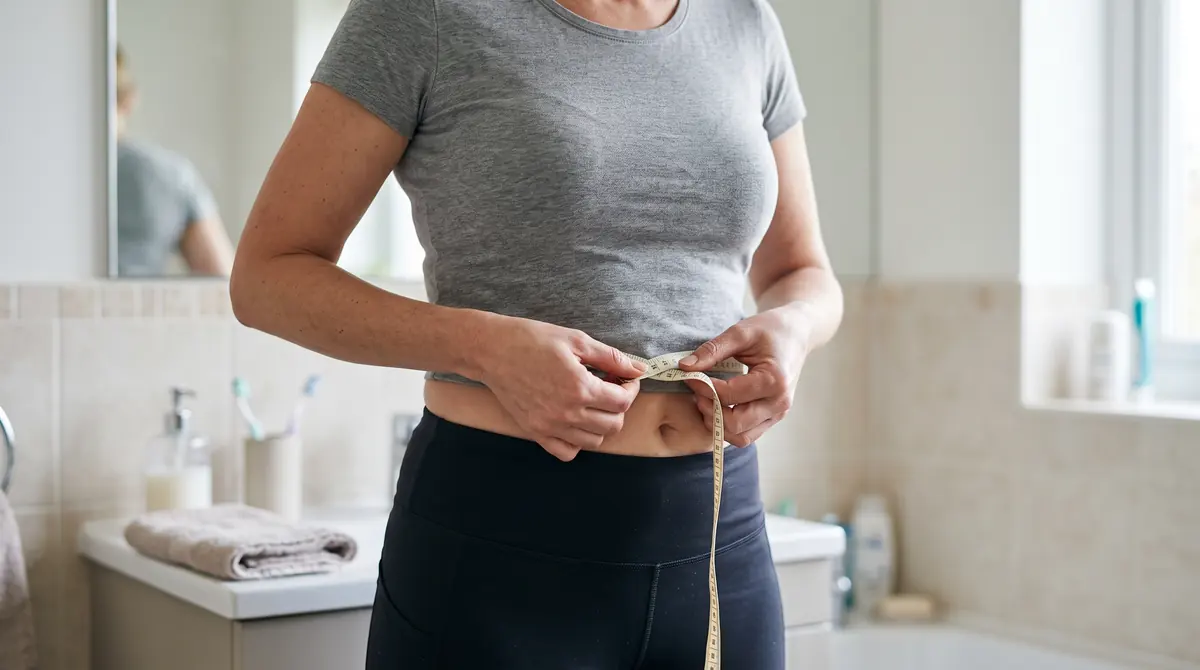
Measure around your middle, halfway between the bottom of your ribs and the top of your hip bones. This is usually close to your belly button. Stand relaxed, breathe out normally and keep the tape level without pulling it tight.
NICE advises keeping your waist to less than half your height. A waist-to-height ratio of 0.5 to 0.59 means increased health risk, and 0.6 or more means high risk. For example, someone who is 165 cm tall should aim for a waist under 82.5 cm.
| Waist-to-height ratio | What it suggests |
|---|---|
| 0.4 to 0.49 | Healthy central fat level |
| 0.5 to 0.59 | Increased risk, worth acting on |
| 0.6 or above | High risk, speak to your GP |
Older UK guidance also uses a waist of 80 cm or more for women and 94 cm or more for men as a sign of increased risk, with lower cut-offs for some ethnic groups.
Tests for Insulin Resistance in the UK
There is no single routine NHS test for insulin resistance itself. Instead, GPs look at blood sugar, blood fats, blood pressure and waist size together.
HbA1c
The HbA1c blood test shows your average blood sugar over the last two to three months. It does not need fasting, which makes it the main test used in UK primary care.
| HbA1c result | Meaning |
|---|---|
| Below 42 mmol/mol (6.0%) | Normal range |
| 42 to 47 mmol/mol (6.0 to 6.4%) | Prediabetes (non-diabetic hyperglycaemia) |
| 48 mmol/mol (6.5%) or above | Suggests type 2 diabetes, usually confirmed with a repeat test |
A normal HbA1c does not rule out insulin resistance. Your pancreas may still be keeping sugar levels down by working harder. That is why the other markers help.
Fasting Glucose, Lipids and Liver Tests
A fasting blood glucose test may be used instead of HbA1c in some situations, such as pregnancy or certain blood disorders. A lipid profile often shows high triglycerides and low HDL cholesterol when insulin resistance is present. Liver tests can point to fatty liver, which is closely linked.
Fasting Insulin and HOMA-IR
Fasting insulin and the HOMA-IR score, which combines insulin and glucose, are used in research and some private clinics. They are not routine NHS tests because results vary between labs and there is no agreed cut-off for diagnosis.
NHS Health Check and Risk Tools
Adults in England aged 40 to 74 without existing heart disease or diabetes are offered a free NHS Health Check every five years. It includes a blood test, blood pressure and BMI. You can also use the Diabetes UK online risk score to see whether you should ask for a test.
PCOS, Menopause and Insulin Resistance
Insulin resistance is very common in women with PCOS, including those at a healthy weight. High insulin can push the ovaries to make more testosterone, which may worsen irregular periods, acne and fat stored around the middle.
Around menopause, falling oestrogen also shifts fat towards the waist and lower belly. Insulin sensitivity tends to fall at the same time. Our guide to FUPA and menopause covers this stage in more detail.
What Actually Helps
The good news is that insulin resistance responds well to lifestyle change, often within weeks. The same steps also help reduce a FUPA, because they lower overall body fat.
Lose a Modest Amount of Weight
Losing around 5 to 10% of body weight improves insulin sensitivity for many people. For someone weighing 90 kg, that is 4.5 to 9 kg. A steady calorie deficit is the foundation, and visceral fat tends to go first.
Build and Use Your Muscles
Muscle is the largest user of glucose in the body. Strength training two or three times a week, such as squats, lunges, rows and presses, increases how much glucose your muscles can take in. The effect lasts for hours after each session.
Walk After Meals
A 10 to 15 minute walk after eating helps working muscles pull glucose out of the blood and blunts the post-meal spike. It is one of the easiest habits to add. Our guide on walking to lose a FUPA shows how to build up your daily steps.

Change What Is on Your Plate
You do not need to cut out carbohydrates completely. Swap refined carbs and sugary drinks for wholegrains, beans, lentils, vegetables and fruit. Fibre slows the release of glucose into the blood.
Include protein at each meal to keep you full and protect muscle while you lose fat. Our guide to protein for FUPA fat loss gives daily targets and UK food ideas. Eating vegetables and protein before starch in a meal can also reduce the glucose rise.
Sleep and Stress
Even a few nights of short sleep can reduce insulin sensitivity. Aim for seven to nine hours. Long-term stress keeps cortisol high, which raises blood sugar and favours belly fat. See our guides on FUPA and sleep and stress and cortisol.
Cut Back on Alcohol
Alcohol adds calories, disrupts sleep and loads the liver, which affects how the body handles glucose. Keep within the UK guideline of no more than 14 units a week, spread over several days.
Medical Treatments
If you have prediabetes, your GP may refer you to the NHS Diabetes Prevention Programme. It offers structured support with diet, activity and weight over several months.
Metformin may be prescribed for type 2 diabetes, and sometimes for PCOS. It reduces glucose production by the liver and improves insulin sensitivity. GLP-1 medicines such as semaglutide can lead to larger weight loss, but on the NHS they are used within set criteria and specialist services.
Medication works best alongside the lifestyle steps above. It will not remove loose skin, so a FUPA made mostly of skin may still need other options. Our hub on how to get rid of a FUPA covers every route.
When to See Your GP
Book an appointment if your waist-to-height ratio is 0.5 or above, you have dark velvety skin patches, or you have risk factors such as PCOS, past gestational diabetes or a close family history of type 2 diabetes.
Seek medical advice promptly if you notice strong thirst, passing urine more often, unexplained weight loss, blurred vision or extreme tiredness. These can be signs of raised blood sugar that needs treatment.
If you are unsure whether your lower belly is a FUPA or an apron belly, our comparison of FUPA vs apron belly explains the difference.
Frequently Asked Questions
Can insulin resistance cause a FUPA?
It can contribute. High insulin makes fat easier to store and harder to release, so lower belly fat may be slow to shift. However, genetics, weight changes, pregnancy and loose skin are also common causes, and many people with a FUPA have normal insulin sensitivity.
What does insulin resistance belly fat look like?
It usually shows as a larger waist with fat gathered around the middle, often alongside a fuller lower belly. There is no specific shape that confirms insulin resistance. A waist-to-height ratio of 0.5 or more is a more useful sign than appearance.
How do I get tested for insulin resistance in the UK?
Ask your GP about an HbA1c blood test, along with blood pressure and cholesterol checks. There is no routine NHS insulin resistance test. Adults aged 40 to 74 in England can also have a free NHS Health Check every five years.
Can you reverse insulin resistance?
For many people, yes. Losing 5 to 10% of body weight, strength training, walking after meals, eating more fibre and sleeping well can all improve insulin sensitivity. Results often show in blood tests within a few months.
Does reversing insulin resistance shrink a FUPA?
It can help, because the same changes lower overall body fat, including fat over the pubic bone. The FUPA is often one of the last areas to slim. If loose skin remains after weight loss, exercise and diet will not tighten it.
Is insulin resistance linked to PCOS?
Yes. Insulin resistance is common in women with PCOS, even at a healthy weight. High insulin can raise testosterone, which affects periods, skin and fat distribution. Lifestyle changes and sometimes metformin are used to help.
The Bottom Line
Insulin resistance can make a FUPA harder to lose by keeping insulin high and fat locked in storage. It often has no symptoms, so measure your waist against your height and ask your GP about an HbA1c test if you have risk factors.
Modest weight loss, strength training, walking after meals, more fibre and better sleep improve insulin sensitivity and reduce body fat at the same time. That gives your lower belly the best chance to slim down.