
Gym Clothes for a FUPA: Support Without Digging In
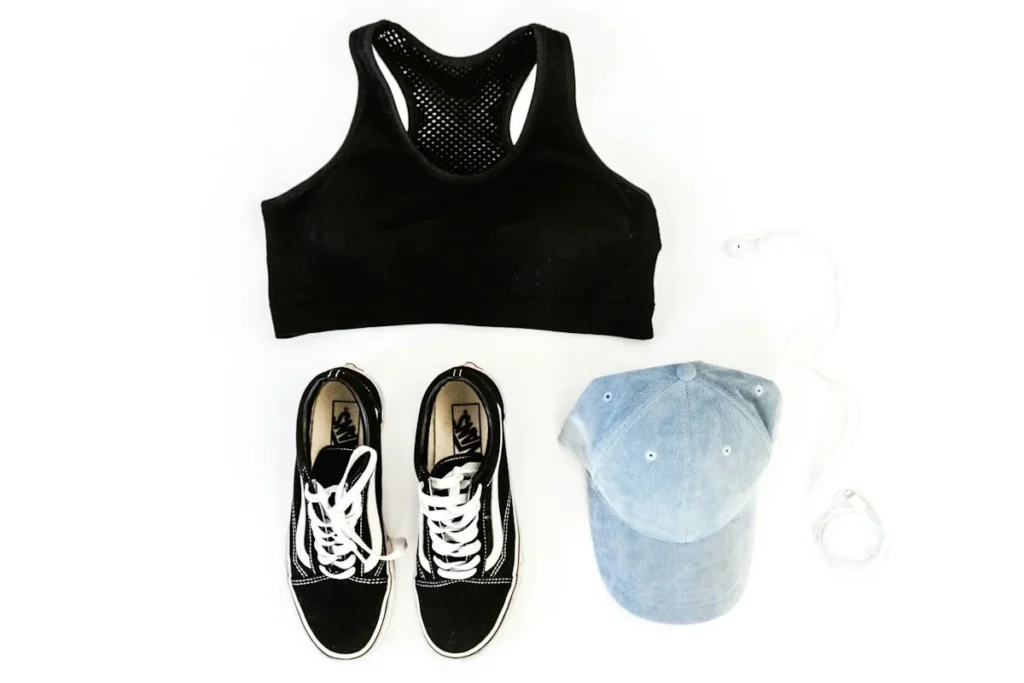
Page Contents
- Introduction and Workout Comfort
- Waistband, Rise and Support
- Leggings, Shorts and Joggers
- Tops and Optional Layers
- Seams, Fabric and Sweat
- Movement Test by Workout
- Sizing and Buying Checklist
- Frequently Asked Questions
- Are High-Waisted Leggings Always Better?
- Why Do Gym Shorts Ride Up?
- Can I Wear a Loose Top to the Gym?
- What If a Waistband Digs In During Exercise?
- Should I Wear Shapewear to the Gym?
- What Should Men Wear to the Gym With a FUPA?
Introduction and Workout Comfort
Gym clothes for a FUPA should let you move without adjustment. Start with lower belly comfort, then choose the coverage and support you prefer. A firm label alone cannot tell you whether an outfit works.
Try the complete workout outfit for your usual activity. Walk, sit, bend and reach before judging its fit. Notice any waistband pressure, shifting top or seam that rubs, especially after several repeated movements.
Freedom of movement matters more than a mirror pose. Clothing may feel secure while standing but move differently during exercise. Check whether you can breathe comfortably and focus on the session instead of pulling fabric.
Your usual activity level changes what the clothes need to do. A gentle walk may suit softer pieces, while repeated jumps call for greater stability. Neither workout requires clothing designed to conceal your body shape.
This guide covers bottoms, tops, fabric and a practical movement check. For detailed legging construction, see our leggings guide. Here the question is how the whole outfit behaves throughout your chosen workout. For everyday clothing beyond the gym, start with our guide on dressing comfortably around a FUPA.
Waistband, Rise and Support
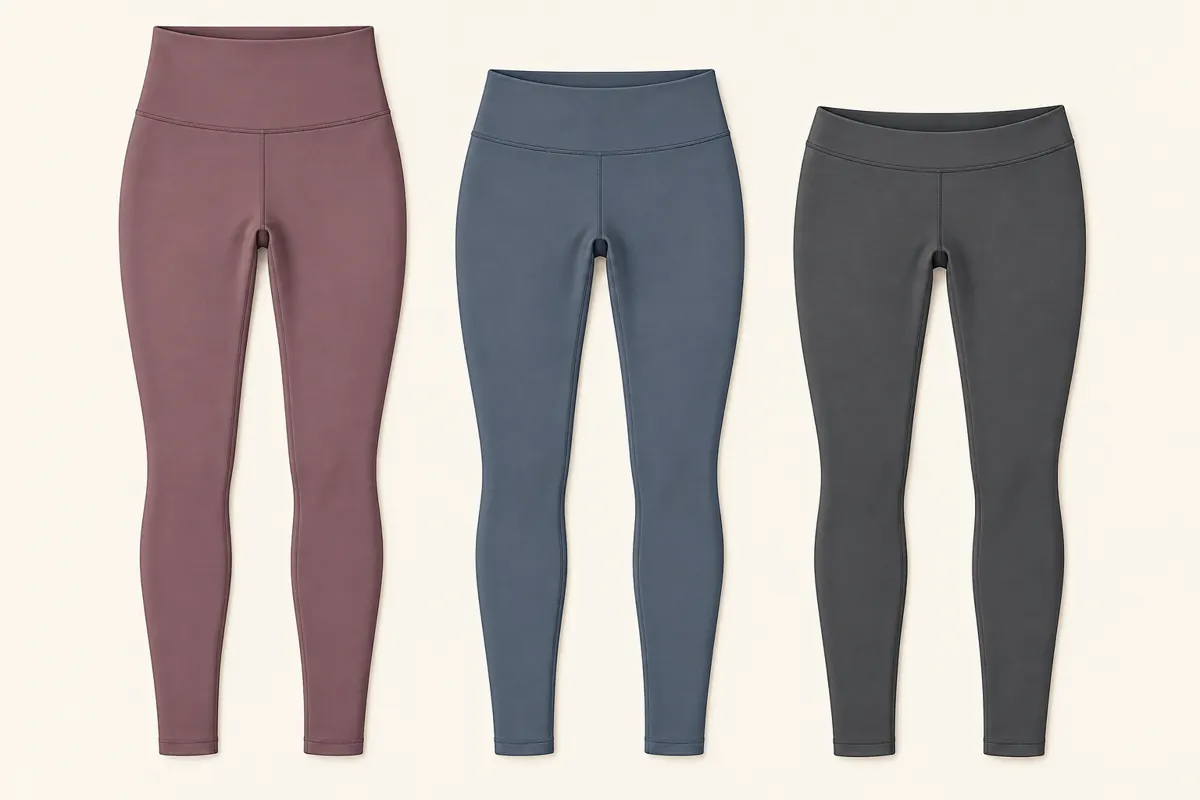
Waistband placement depends on your lower belly curve and torso length. A high rise may feel secure, but can press near the ribs. A mid rise may work when its edge stays comfortable.
A wide waistband can spread pressure across more fabric than a narrow edge. Test it while seated and bending. If the band folds, rolls or digs in, its support level does not solve the fit. Our guide to waistbands that roll down explains the same problem in everyday wear.
Gentle support should still allow comfortable breathing. Avoid choosing a smaller size solely for stronger compression. Check the front, side and back of the band after walking, rather than judging the front mirror view.
Some bands have a firmer upper edge, while others use even stretch throughout. Feel the construction with your hands, then wear it. A smooth appearance is less useful if one edge presses during movement.
If the waistband rolls, compare a different rise, size or construction. The solution depends on where it lands and how it moves. More compression is not necessarily the answer to a slipping band.
Leggings, Shorts and Joggers
Workout leggings provide coverage, but the cut and fabric determine their feel. Check the leg opening, waistband and gusset together. A squat test in daylight can reveal changes in fabric opacity under stretch.
Bike shorts can reduce fabric between the knees and ankles. Check inseam length and inner thigh and lower belly friction while walking. If the leg hem climbs upward, another cut may stay in place more comfortably.
Running shorts often use a looser outer layer and sometimes an inner layer. Test both layers while stepping and sitting. A short that shifts during a quick try-on may need repeated adjustment during cardio.
Lightweight joggers give a relaxed alternative for walking or cooler conditions. Check the ankle cuffs, pockets and fabric drape. Loose cloth should not catch on equipment or restrict the movement your session requires.
Choose bottoms for the workout rather than for a single body shape. Pocket placement can add pressure on a bench; fabric weight can trap heat. Compare comfort after movement before keeping a pair.
Tops and Optional Layers
A performance tank may stay close to the body without clinging at every point. Raise your arms and lean forward to check armhole fit, neckline coverage and whether the top hem travels upward.
A relaxed T-shirt can offer optional coverage over leggings or shorts. Check sleeve length near machines and choose a hem that moves freely. Breathable fabric may feel more comfortable during a sweaty session.
A longline top changes how much of the lower front is covered, if that matters to you. Test its length while seated and bending. A longer hem should not bunch under the waistband or equipment.
Lightweight layers help on a cool commute or at the start of a class. A zip jacket can come off as you warm up. Keep loose ties and sleeves clear of moving gym equipment.
Your coverage preference can change by activity or day. Wear a fitted top, loose layer or either one alone. The useful test is whether the complete outfit stays comfortable as you actually move. The same approach works for everyday outfits too.
Seams, Fabric and Sweat
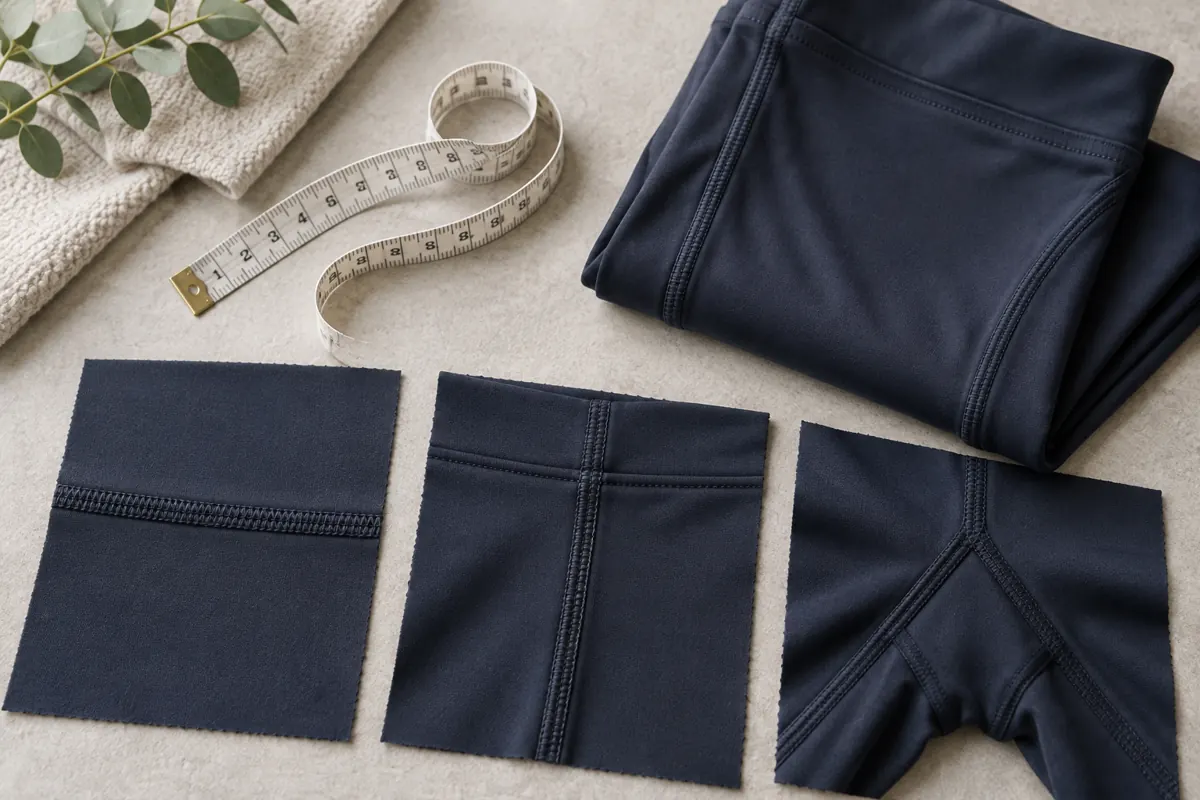
Flat seams may feel smoother where fabric meets skin, but their placement still matters. Check the inner thighs, waistband and underarms. A seam that crosses a friction point can become noticeable with repetition.
A gusset may give room through the crotch during a squat or stride. Inspect how its seams meet the legs. Fabric stretch should follow movement without persistent pulling or a waistband sliding downward.
Stretch recovery describes whether fabric returns toward its original shape after movement. Test knees and seat after sitting. Fibre labels alone cannot establish how a garment will behave across your own workout.
Breathable and sweat-wicking are product descriptions, not guarantees of comfort. Consider fabric feel, room for airflow and the activity. Damp clothing may irritate skin where folds or seams rub repeatedly; our guide to sweating under a belly fold covers skin care between sessions.
Change out of damp clothing when practical and follow the garment's care label. If a skin fold develops a persistent rash, worsening pain or broken skin, seek individual advice rather than relying on clothing alone.
Movement Test by Workout
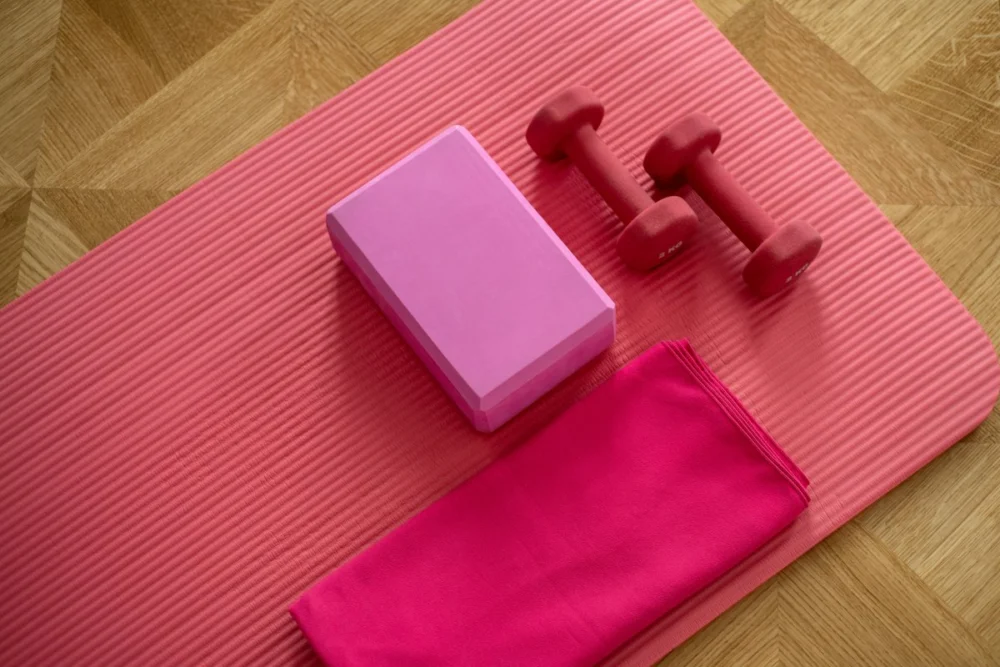
Begin with a walking test for several minutes. Watch whether the waistband stays level, the top shifts, or shorts ride up. Repeated steps often reveal a problem that a brief standing check misses. If walking is your main exercise, see our guide to walking for a FUPA.
For strength training, try a comfortable squat and hip hinge before wearing the outfit to lift. Check pressure at the waist and pockets against a bench. Keep any loose layer clear of equipment. For movement ideas, try our FUPA exercise routine.
For cardio, add gentle step-ups or the movements you expect to repeat. Notice bouncing, heat and the need to readjust. A secure outfit should let you breathe normally during the effort involved.
In a yoga class, bending and an overhead reach may change coverage. Check the neckline, hem and waistband in several positions. Choose the level of coverage that helps you concentrate on movement.
Finish with a seated test, then stand and walk again. A band can feel different after bending or repeated motion. Keep only the pieces that work together for the session you actually plan.
| Workout | Movement to test | What to check |
|---|---|---|
| Walking | Several minutes of brisk steps | Waistband stays level; shorts do not ride up |
| Strength training | Squat and hip hinge | Pressure at the waist and pockets; opacity under stretch |
| Cardio | Step-ups or repeated jumps | Bounce, heat and the need to readjust |
| Yoga or Pilates | Forward bend and overhead reach | Neckline, top hem and waistband coverage |
| Cycling | Seated, leaning forward | Front of the band folding; seam pressure at the crotch |
Sizing and Buying Checklist
Compare the maker's size chart with your waist and hip measurement, then consider garment length. If you are between sizes, inspect the intended stretch and return policy before deciding which size to try.
Try the entire outfit together, including any usual underlayer, such as underwear for a FUPA or light shapewear. Waistbands can overlap and create pressure that neither garment causes alone. Test sitting, walking and reaching before removing tags from a new clothing purchase.
Use daylight for an opacity check when coverage matters to you. Bend only as far as comfortable and inspect the fabric from several angles. Dark colour alone does not guarantee that stretched material stays opaque.
Look beyond product claims such as tummy control or maximum support. Read the fibre information and construction details, but judge comfort on your body. A premium price does not ensure a stable waistband.
Keep a short comfort checklist: breathing, waistband stability, seam friction, coverage and temperature. If one problem remains after changing size, compare a different cut. You do not need to purchase an entire matching set.
This guide covers garment fit and movement checks, not medical treatment. For skin-fold moisture and friction, read NHS hospital guidance on intertrigo, and for how much activity to aim for each week, see the NHS physical activity guidelines for adults.
Frequently Asked Questions
Are High-Waisted Leggings Always Better?
In practice, high-waisted leggings can feel secure when the band sits above a lower belly curve. They are not automatically better. If the upper edge presses into your ribcage, try another rise or waistband construction.
For comfort, check the band while sitting, walking and bending. A rise that stays level in one position may roll during another. Your torso length helps determine where its top edge settles in normal use.
Why Do Gym Shorts Ride Up?
When moving, shorts riding up can reflect inseam length, thigh fit, fabric or leg hem construction. Compare how different pairs move while walking. A standing mirror cannot show what happens after repeated steps or bends.
In normal use, a longer inseam may give the hem a different resting point. It may also feel warmer, so test the tradeoff. Check whether the fabric bunches at the inner thigh when you move.
Can I Wear a Loose Top to the Gym?
Yes, for this outfit, a loose gym top is a valid choice. Check its sleeve length and top hem during your activity. Fabric should move freely without catching on handles, machines or your own arms.
In practice, for a sweaty workout, compare breathable fabric with your usual cotton shirt. The better choice is whichever feels comfortable through the session. A relaxed shape does not require a heavy or oversized garment.
What If a Waistband Digs In During Exercise?
During your usual workout, waistband digging may come from size mismatch, rise placement or a firm edge. Pause and check where the pressure occurs. Do not continue in clothing that causes pain or restricted breathing.
Try the same movement with a different waistband construction. A wider or softer band might feel better, but fit is personal. Check the front and sides, rather than assuming a single size change solves everything.
Should I Wear Shapewear to the Gym?
Shapewear is optional and no workout requires it. Most firm shapewear is made for everyday wear, so it can trap heat and restrict breathing during effort. If you want light smoothing, an activewear waistband with gentle, even support is usually the more comfortable choice.
If you do layer, test the combination while squatting and walking. Remove any layer that rolls, pinches or makes breathing harder.
What Should Men Wear to the Gym With a FUPA?
The same checks apply. Look for shorts with a flat, wide waistband that sits level rather than folding under the lower belly, and test the inseam length while walking. A compression liner can reduce thigh friction but should not dig in at the waist.
A relaxed T-shirt or a longer performance top gives coverage if you prefer it. For the causes and changes that apply to men specifically, see our guide to FUPA in men.