
Does a FUPA Go Away? It Depends on the Cause
Page Contents
- The General Answer
- After Pregnancy
- Recovery Varies Between People
- Check for Muscle Separation
- After Weight Gain
- After Significant Weight Loss
- With Age and Menopause
- Does It Go Away on Its Own?
- What Determines Your Outcome?
- How to Tell Which Situation You Are In
- Why Answers Online Differ
- If It Does Not Go Away
- Frequently Asked Questions
- Will My FUPA Go Away After Pregnancy?
- Will Losing Weight Get Rid of a FUPA?
- Can a FUPA Go Away Without Surgery?
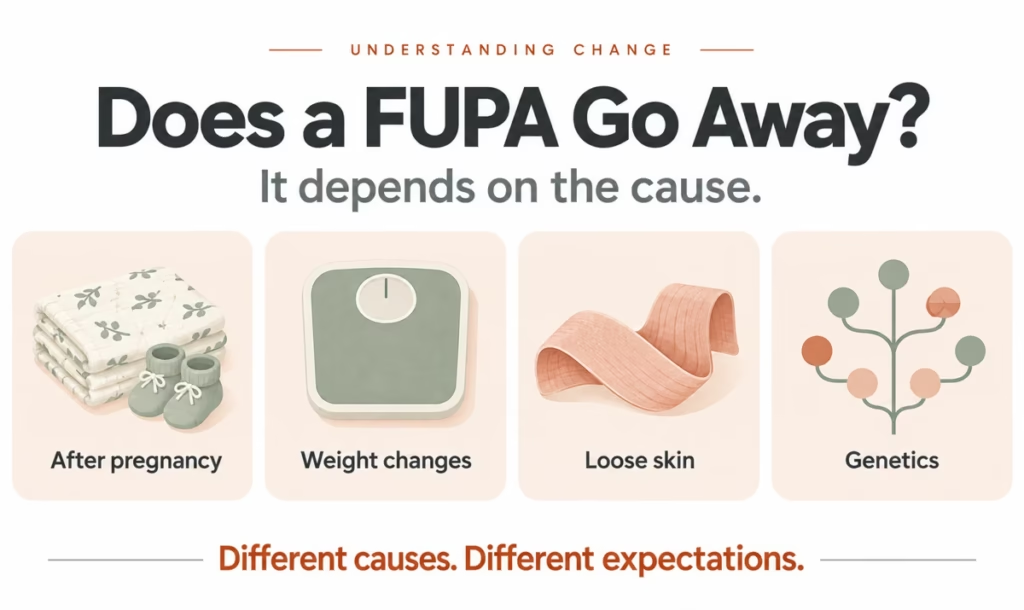
Does a FUPA go away? It may become less prominent, but the answer depends on whether the fullness comes from pubic fat, loose skin or changes after pregnancy. There is no guaranteed timeline or requirement for the area to become flat.
This guide explains what can change naturally and when an assessment may help. For the location and meaning of the term, see what a FUPA is.
The General Answer
The mons pubis is the padded area over the pubic bone. Some fullness is normal anatomy. People also use “FUPA” for a lower abdominal fold, which may contain both skin and fat.
Overall fat loss may reduce the fat component when weight loss is appropriate. It cannot selectively target this area. Loose skin and abdominal muscle separation need different consideration. Read more about normal variation.
After Pregnancy
Recovery Varies Between People
Your abdomen can remain larger after birth while stretched tissues recover. Changes in pubic fullness are not the same as changes in the uterus or abdominal muscles, so one recovery timetable cannot describe them all.
There is no reliable twelve-month deadline after which further change becomes impossible. Equally, recovery does not guarantee a return to your previous shape.
Check for Muscle Separation
Diastasis recti is separation of the abdominal muscles. The NHS post-pregnancy guidance recommends contacting your GP if the gap remains obvious eight weeks after birth. A physiotherapist can advise on suitable exercises.
Pelvic floor and deep stomach exercises can support recovery. Avoid demanding abdominal exercises initially if you have muscle separation. Our postpartum recovery guide explores this in more detail.
After Weight Gain
If extra body fat contributed to the fullness, weight loss may make it smaller. There is no dependable rule that the face or arms must change first, or that pubic fat always disappears last.
Your fat distribution and starting body composition affect the result. Reaching a previous weight also does not guarantee the same outline, particularly if skin has stretched.
If weight loss is appropriate, follow gradual changes rather than crash diets. The NHS weight-loss guidance provides practical starting points.
After Significant Weight Loss
A fold may remain because there is excess skin as well as residual fat. Skin elasticity varies, and appearance alone cannot predict how much the fold will change.
Exercise can build muscle, but it cannot remove a substantial amount of excess skin. The NHS tummy-tuck guide explains surgical skin removal and its risks.
Further weight loss is not automatically the answer. If you have reached a suitable stable weight, discuss persistent discomfort or skin problems with a clinician. Our surgery guide compares options without assuming treatment is necessary.
With Age and Menopause
Menopause can affect body composition and fat distribution. The NHS lists weight gain around the stomach and upper body among common changes.
This does not establish that pubic fat will shrink or that a FUPA becomes less prominent after menopause. Changes in skin and overall weight can affect the outline differently for each person.
Our FUPA and menopause guide discusses this stage of life.
Does It Go Away on Its Own?
Some fullness may change during recovery after pregnancy or as body weight changes. Longstanding pubic fullness or an established skin fold may persist.
Time alone does not guarantee an outcome. Focus on comfort, recovery and sustainable habits rather than a deadline for a flat lower abdomen.
What Determines Your Outcome?
- The tissue involved: fat, excess skin and muscle separation respond differently.
- Weight changes: overall fat loss may alter fullness, but the amount varies.
- Skin elasticity: this affects how the skin sits after a change in size.
- Individual fat distribution: see our hormones and genetics guide.
- Recovery needs: childbirth or surgery may require an individual assessment.
How to Tell Which Situation You Are In
A thin fold may suggest loose skin, but skin and fat often overlap. Pinching the area or lying down cannot reliably diagnose what is causing the fullness.
If you notice abdominal doming after pregnancy, persistent pain or a new lump, seek an assessment rather than assuming it is ordinary fat. A GP or physiotherapist can help distinguish abdominal muscle separation from other concerns.
Why Answers Online Differ
People use the same slang term for different body changes. One person may describe postpartum recovery; another may be discussing loose skin after substantial weight loss.
Before-and-after pictures also vary with pose, lighting and clothing. They cannot predict your result. Check what changed, over what period, and whether a treatment was involved.
If It Does Not Go Away
You can leave normal, comfortable fullness alone. If you prefer a different clothing fit, our styling guide offers practical ideas.
For treatment, compare surgical options with non-surgical body contouring. Suitability depends on the tissue involved; costs, recovery and risks vary. Keep realistic expectations and discuss the intended outcome with a qualified clinician.
For an overview of lifestyle and treatment approaches, read how to get rid of a FUPA.
Frequently Asked Questions
Will My FUPA Go Away After Pregnancy?
It may become smaller during recovery, but the outcome varies. Loose skin, fat and muscle separation can each contribute. There is no guaranteed recovery deadline or promise of returning to your previous shape.
Will Losing Weight Get Rid of a FUPA?
It may reduce the fat component when weight loss is appropriate. It cannot target pubic fat specifically or remove excess skin, and a normal amount of fullness may remain.
Can a FUPA Go Away Without Surgery?
Sometimes its appearance changes with recovery or overall fat loss. A substantial loose-skin fold may persist. Surgery is optional; seek advice if the area causes discomfort or ongoing skin problems.