
Best Underwear for a FUPA: Rise, Fabric and Fit
Page Contents
- What Underwear Works Best for a FUPA?
- Choose Whether the Waistband Goes Over or Under the Fold
- Rise and Front Coverage Matter More Than the Label
- Why Wide Waistbands Help, and Why They Still Roll
- Fabric: Breathability, Stretch and Recovery
- Seamless and No-Show Underwear for Fitted Clothes
- Everyday Briefs, Light Control and Shapewear
- How to Choose the Right Size
- The Five-Minute Movement and Fit Test
- After a Caesarean: Keep the Waistband Off the Wound
- Chafing, Sweat and Skin-Fold Comfort
- Buying Checklist
- Frequently Asked Questions
This guide explains how to choose underwear for a FUPA by rise, fabric, coverage and fit. It also separates everyday briefs from shapewear, shows how to test a pair before buying multiples, and links common rolling problems to practical fixes.
What Underwear Works Best for a FUPA?
Start with full-coverage briefs whose waistband lands above the fullest lower-belly curve. Look for a wide, flat band, enough front-panel depth, stable leg openings and fabric that stretches without becoming loose. A cotton and elastane blend often balances breathability with elastic recovery.
| Need | Useful starting point | Check before keeping it |
|---|---|---|
| Everyday comfort | High-waisted cotton stretch brief | Band stays flat when seated |
| No visible lines | Seamless or bonded-edge brief | Edges do not curl or bunch |
| Light smoothing | Light-control full brief | Pressure remains comfortable |
| Waistbands roll down | Different rise or torso length | Band clears the body crease |
| Sweat or rubbing | Breathable, full-coverage brief | Fabric does not sit inside the fold |
Choose Whether the Waistband Goes Over or Under the Fold
Should underwear go over or under a belly fold? Either position can work. An over-belly brief needs enough rise to clear the curve and reach a stable point near the natural waist. An under-belly or maternity-style brief must sit fully below the fold without rubbing the crease.
The least reliable position is directly across the fullest point or inside a skin crease. That placement concentrates pressure, encourages the waistband to roll and can create a visible ridge. Body shape and torso length matter more than the style name on the packet.
Try both placements if high-waisted underwear always folds on you. A shorter torso may suit a mid-rise or under-belly cut, while a longer torso may need an extra-high rise. The right choice stays comfortable without repeated pulling or adjustment.
Rise and Front Coverage Matter More Than the Label
Underwear rise is the vertical distance from the crotch seam to the top of the waistband. Retailers use terms such as high-rise, full brief and hipster inconsistently, so compare garment measurements or the brand’s size chart whenever they are available.
| Style | Typical waistband position | Possible benefit | Possible problem |
|---|---|---|---|
| Extra-high or full brief | At or above the natural waist | Clears the lower-belly curve | May fold on a short torso |
| High-rise brief | Near the navel | Good coverage and everyday support | Can land on the fullest point |
| Mid-rise or hipster | Below the navel | May suit shorter torsos | Coverage varies by brand |
| Under-belly brief | Below the fold | Avoids covering the abdomen | Must not sit inside the crease |
| Thong | Varies | Reduces rear panty lines | Offers little front smoothing |
Adequate front coverage prevents the waistband from being pulled down towards the crotch. If the band feels wide enough but the brief still drags, the rise may be too short. If the crotch sags and the band gaps, the rise or overall size may be too generous.
Why Wide Waistbands Help, and Why They Still Roll
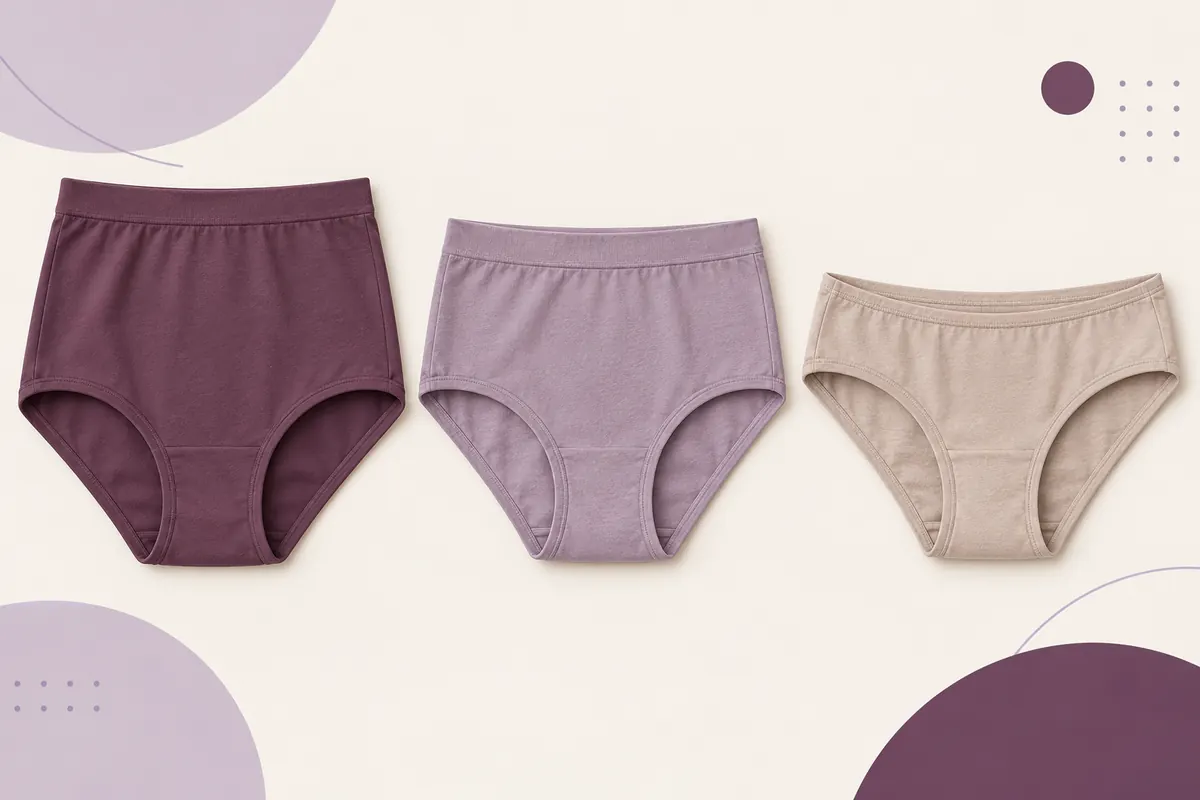
A wide waistband spreads pressure across a larger area than narrow exposed elastic. Flat-knit, encased or bonded bands can feel smoother under clothing, but width alone does not create a no-roll waistband. Placement, tension and recovery still determine whether it stays flat.
Why does underwear roll down over a FUPA? Common causes include a band positioned on a curve, insufficient rise, excessive compression, loose fabric, a short torso, or elastic that has lost its recovery. Rolling does not automatically mean the size is too small.
If a waistband rolls outward, try moving to a rise that clears the curve. If it slides before folding, check for worn elastic or excess room. If it digs and leaves painful marks, try more space or a softer construction. Our detailed underwear waistband fit guide explains each pattern.
Fabric: Breathability, Stretch and Recovery
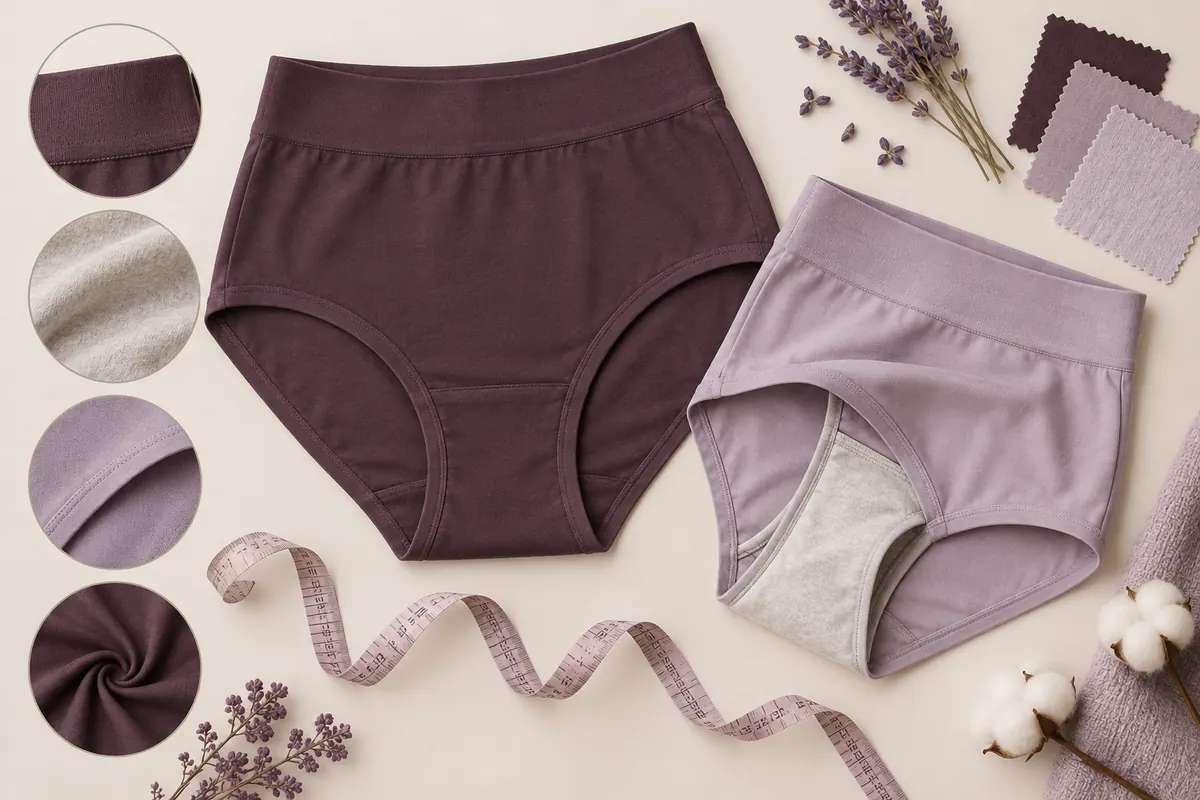
Breathable cotton underwear is a practical everyday option, especially when heat and moisture collect around skin folds. Cotton alone can relax during wear, so a cotton-spandex or cotton-elastane blend may hold its shape better while keeping a familiar feel.
Modal can feel soft and smooth, while microfibre and nylon blends often create a cleaner line beneath fitted clothes. Synthetic fabric may dry quickly, but comfort varies with the knit, garment thickness, climate and individual skin sensitivity. Fabric names alone cannot predict the complete fit.
Look for a soft cotton gusset, comfortable seams and fabric that returns towards its original shape after stretching. NHS vulval-care guidance commonly favours loose cotton underwear when skin is irritated because cotton tends to be less irritating than many synthetic options. Read the Leeds Teaching Hospitals guidance.
Seamless and No-Show Underwear for Fitted Clothes
Seamless underwear and laser-cut or bonded edges address different causes of visible panty lines. Seamless knitting reduces panel seams, while bonded edges remove bulky stitched hems. A brief can be seamless without having invisible edges, so check both construction details.
No-show underwear still needs the correct size. Fabric that is too tight can create an edge ridge, while excess material can wrinkle under leggings or trousers. Skin-tone colours may be less visible under pale fabric than white underwear, depending on the wearer and garment.
For fitted clothes, prioritise flat seams, smooth fabric and leg openings that stay in place. High-cut legs can reduce pressure across the upper thigh for some body shapes, while boyshorts provide more coverage but may show beneath tight trousers if their edges are bulky.
Everyday Briefs, Light Control and Shapewear
Everyday briefs provide coverage and comfort without deliberate compression. Light-control briefs use a denser front panel or firmer knit for modest smoothing. Tummy-control underwear and firm shapewear apply more pressure and require closer attention to sizing, rolling and wear time.
Compression changes how tissue is distributed while the garment is worn; it does not reduce lower-belly fat. If you want stronger shaping for an outfit, use our FUPA shapewear guide rather than buying everyday underwear a size smaller.
Choose the least compression that achieves your purpose comfortably. Stop wearing a garment that causes pain, numbness, breathing restriction or persistent deep marks. A secure brief should support normal sitting, bending and walking without making you eager to remove it.
How to Choose the Right Size
Do not size down to make underwear smoother. A smaller brief can pull through the crotch, cut into the lower abdomen, distort leg openings and create more visible lines. Use the current brand’s size chart because identical size labels can represent different measurements.
Measure your waist and fullest hip while standing naturally. If the measurements fall into different bands, follow the retailer’s guidance and consider the larger measurement as a cautious starting point. Front rise, stretch and cut can matter as much as the number on the label.
Buy one pair or the smallest pack when testing a new cut. Keep the tags and return terms in mind, then check the brief through normal movement before committing to several pairs. A mirror test alone cannot reveal rolling, riding or pressure that develops later.
The Five-Minute Movement and Fit Test
- Place the waistband where it naturally settles rather than pulling it unusually high.
- Sit for two minutes and check whether the band enters a crease or rolls.
- Bend, reach and take several long steps.
- Check the crotch, rear coverage and leg openings for pulling or bunching.
- Confirm that pressure feels even and no edge digs into the skin.
Well-fitting underwear should remain stable without constant adjustment. The waistband should lie flat, the front panel should contain the tissue without cutting across it, and the leg openings should stay positioned without pinching or riding upward.
After a Caesarean: Keep the Waistband Off the Wound
During caesarean recovery, comfort and wound instructions take priority over appearance. NHS guidance advises loose, comfortable clothing and cotton underwear. Several NHS maternity services specifically advise placing the waistband above or below the wound rather than directly across it.
Soft high-waisted briefs may work when they clear the incision completely. Some people prefer loose under-belly or maternity briefs if those also avoid the wound. Follow advice from your maternity team, particularly if the area becomes more painful, red, swollen or begins discharging. See the NHS caesarean recovery guidance.
Chafing, Sweat and Skin-Fold Comfort
Heat, moisture and skin-to-skin friction can contribute to irritation within body folds. Underwear can help by staying outside the crease, reducing fabric movement and allowing damp material to be changed promptly. Tight seams inside an irritated fold may make discomfort worse.
Choose coverage that prevents rubbing without trapping excessive heat. Change after exercise and follow the care label so detergent residue or damaged elastic does not become another irritant. For walking-specific prevention, see our lower-belly chafing guide.
Persistent redness, broken skin, spreading rash, discharge, odour or worsening pain needs appropriate medical advice rather than repeated product experiments. Our FUPA pain and irritation guide explains when symptoms deserve attention.
Buying Checklist
- Waistband rests clearly above or below the fullest curve, not inside the crease.
- Rise matches your torso length and provides enough front coverage.
- Wide, flat band bends with the body and recovers after stretching.
- Fabric suits the purpose: breathable for daily wear, smooth for fitted clothing.
- Cotton gusset and soft seams support everyday comfort.
- Leg openings stay secure without pinching or riding up.
- Correct size follows the brand’s current measurements.
- One-pair movement test comes before buying a multipack.
Frequently Asked Questions
What Type of Underwear Is Best for a FUPA?
A high-rise, full-coverage brief with a wide flat waistband is a useful starting point. It should clear the fullest lower-belly curve rather than dividing it.
Check that the front rise contains the tissue comfortably and that the leg openings stay positioned without pinching. Fabric should stretch and recover rather than becoming loose.
The best pair remains comfortable while sitting, bending and walking. Body proportions differ, so treat the style as a starting point rather than a universal rule.
Should Underwear Go Over or Under an Apron Belly?
Either position can work. An over-belly brief should reach a stable point above the fold, while an under-belly style should sit completely below it.
Avoid placing the waistband directly inside the crease or across the fullest curve. That position is more likely to concentrate pressure, dig in or roll.
Try each placement through normal movement. Keep the option that remains flat and comfortable without repeated pulling, tightening or adjustment.
Does Underwear Rolling Mean It Is Too Small?
Not always. Tight sizing can cause rolling, but weak elastic, excess room, insufficient rise and a waistband positioned on a curve can create the same problem.
Check the complete brief. Deep marks suggest excessive pressure, while gapping, sliding and wrinkles can indicate too much room or worn elastic.
Change one factor at a time, such as size, rise or construction. Our waistband fit guide explains how to diagnose each rolling pattern.
Is Cotton or Microfibre Better?
Cotton often suits breathable everyday wear, while microfibre can create a smoother line and dry quickly. Neither fibre guarantees a comfortable fit by itself.
A cotton-elastane blend can add recovery. Microfibre quality depends on the knit, thickness, seams and how the waistband and leg openings are constructed.
Choose according to skin comfort, climate and outer clothing. Stop using any fabric or finish that repeatedly causes irritation.
Can Underwear Hide a FUPA?
Underwear can smooth visible lines and change how outer clothing sits. An appropriate rise can remove a dividing waistband line across the lower abdomen.
Ordinary briefs do not remove fat or permanently change body shape. Light-control styles offer modest smoothing, while shapewear applies stronger temporary compression.
Choose the least compression that meets your purpose comfortably. Sizing down usually creates more ridges, rolling and discomfort.
How Do I Stop Visible Panty Lines?
Choose smooth fabric, flat seams and bonded or laser-cut edges in the correct size. Seamless knitting can also reduce raised panel seams.
Check that leg openings do not dig, curl or wrinkle. Match the underwear rise to the outer garment so neither waistband competes for the same position.
Skin-tone colours may show less beneath pale clothing than white. Test the complete outfit in natural light before relying on it for an event.