
Lower Belly Chafing When Walking: Clothing and Comfort
Page Contents
- Why Lower Belly Chafing Happens When Walking
- How to Recognise Ordinary Chafing
- Clothing Choices That Reduce Friction
- Choosing Comfortable Underwear
- Preparing Before a Walk
- What to Do After Chafing Starts
- When Chafing May Be Intertrigo or Infection
- When to Speak to a Pharmacist or GP
- Walking Comfort Kit
- Waistband and Seam Movement Test
- Short Walk Versus Long Walk Preparation
- Preventing Recurrence During Daily Commuting
- Mistakes That Can Make Chafing Worse
- Frequently Asked Questions
- Why Does My Lower Belly Chafe Only When Walking?
- What Fabric Is Best for Preventing Lower-Belly Chafing?
- Should Clothing Be Loose or Fitted?
- Can I Apply Barrier Cream Before Walking?
- How Can I Tell Chafing From a Fungal Infection?
- When Should I See a Doctor?
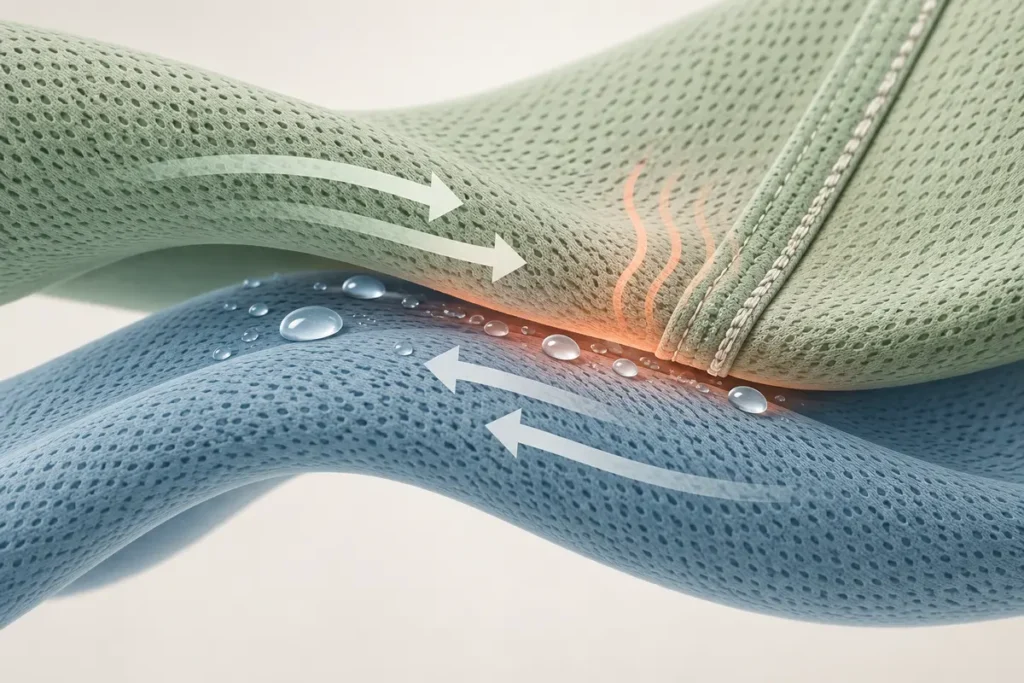
Lower belly chafing when walking usually develops when skin or clothing repeatedly rubs the same area. Heat, trapped moisture, waistbands, seams, distance, and walking pace can combine to make irritation more likely.
Mild chafing may cause redness, tenderness, stinging, or surface soreness. Because several rashes look similar, appearance alone cannot reliably distinguish ordinary friction from intertrigo, dermatitis, or a skin infection.
This guide explains clothing fit, underwear, preparation, aftercare, recurrence prevention, and warning signs. Seek professional assessment when symptoms spread, worsen, repeatedly return, produce pus, become increasingly painful, or occur with fever.
Why Lower Belly Chafing Happens When Walking
Relevant factors include lower belly chafing, clothing seams, exercise, walking, hot weather, skin-to-skin rubbing. Friction rises when moisture softens skin and movement repeats contact along the same crease. Seek advice when symptoms persist or spread.
During walking, monitor abdominal fold, humid conditions, trapped moisture, sweating, repeated movement. Heat, distance, pace, seams, and waistbands can combine, so one isolated trigger is not always responsible. Seek advice when symptoms persist or spread.
Practical checkpoints include clothing friction, skin fold, waistband, skin friction, body warmth. Tracking when discomfort begins helps identify practical changes without treating normal sweating as poor hygiene. Record which fabrics, seams, and movements trigger discomfort.
How to Recognise Ordinary Chafing
Relevant factors include chafed skin, broken skin, friction rash, surface soreness, tenderness. Mild chafing commonly follows a clear rubbing pattern, although appearance alone cannot confirm its cause. Record which fabrics, seams, and movements trigger discomfort.
During walking, monitor persistent symptoms, intertrigo, superficial abrasion, burning sensation, redness. Stop activity and inspect changes before surface soreness becomes an open or increasingly painful injury. Observe. Record which fabrics, seams, and movements trigger discomfort.
Practical checkpoints include skin infection, heat rash, sensitive skin, stinging sensation. Persistent, spreading, weeping, or recurrent changes need assessment because several inflammatory conditions can look similar. Observe. Record which fabrics, seams, and movements trigger discomfort.
Clothing Choices That Reduce Friction
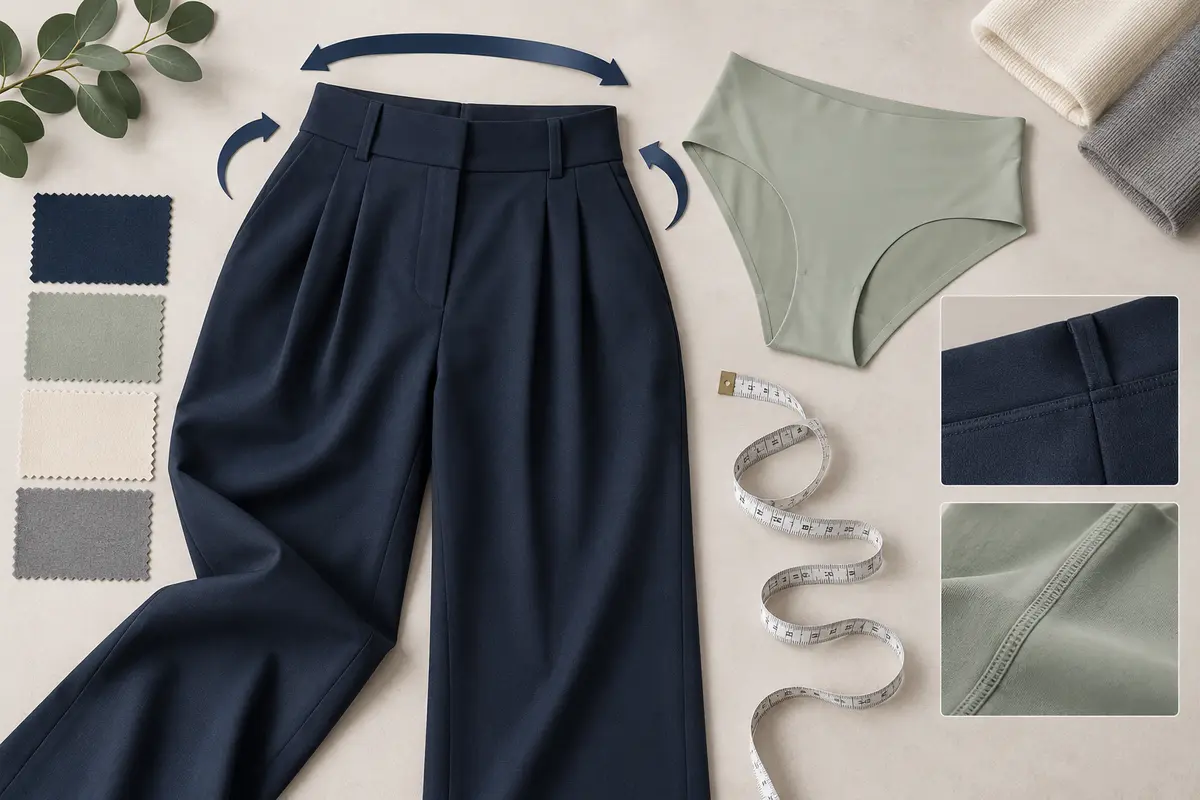
Relevant factors include comfortable clothing, fitted clothing, waistband position, covered seams, moisture-wicking fabric. Stable clothing should move with the body without dragging fabric repeatedly across the affected fold. Seek advice when symptoms persist or spread.
During walking, monitor damp clothing, loose clothing, wide waistband, flat seams, breathable fabrics. Test seams and waistbands while sitting, bending, climbing stairs, and taking longer walking strides. Record which fabrics, seams, and movements trigger discomfort.
Practical checkpoints include restrictive clothing, correct fit, seam placement, soft fabric, movement test. Breathability matters, but smooth construction, reliable fit, and prompt replacement of damp garments matter equally. Seek advice when symptoms persist or spread.
Choosing Comfortable Underwear
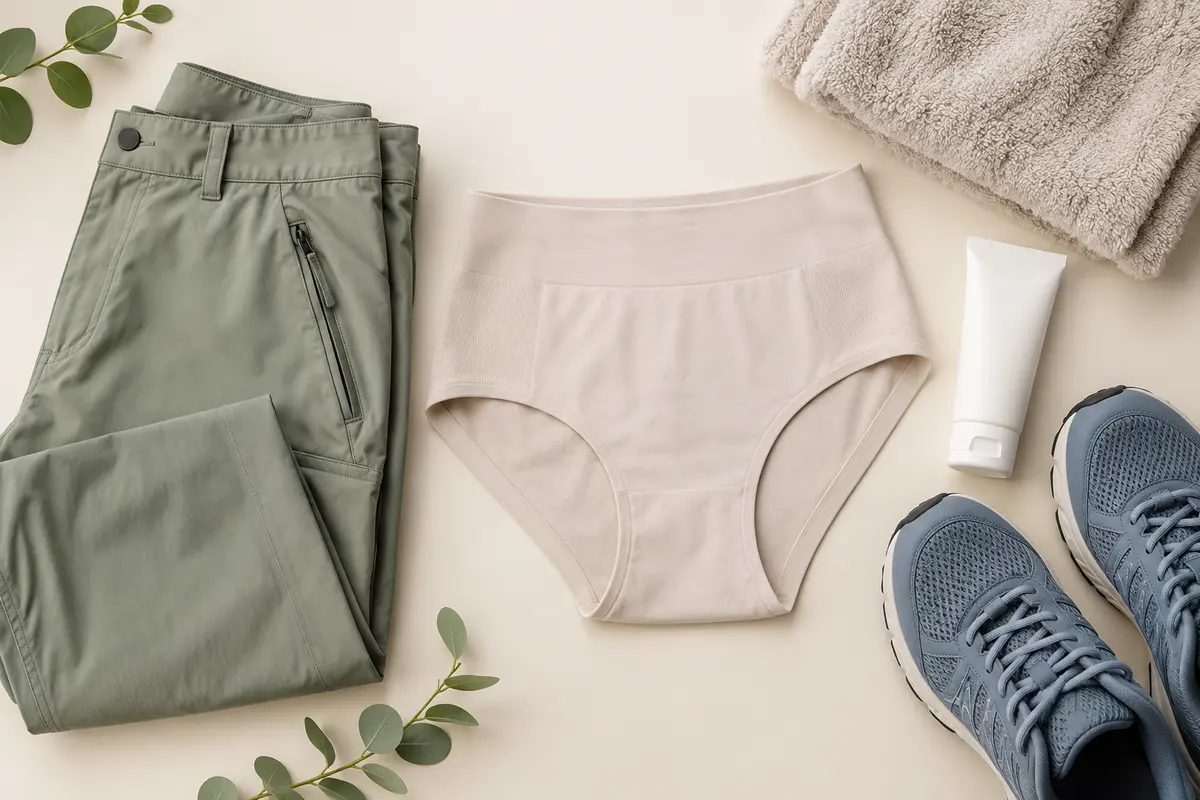
Relevant factors include comfortable underwear, breathable material, damp underwear, flat waistband, rolling elastic. Underwear should remain secure without rolling, digging, bunching, or sitting directly inside the irritated crease. Seek advice when symptoms persist or spread.
During walking, monitor high-waisted underwear, correct underwear size, cotton gusset, wide waistband. A higher, flatter band may distribute pressure better than narrow elastic across a moving abdominal fold. Seek advice when symptoms persist or spread.
Practical checkpoints include change of underwear, secure fit, seamless underwear, soft seams. Correct sizing matters more than compression because undersized briefs often create additional friction and moisture. Record which fabrics, seams, and movements trigger discomfort.
Preparing Before a Walk
Relevant factors include clean dry skin, spare clothing, seam check, patch testing, dry abdominal fold. Start with clean, completely dry skin, then check how seams and waistbands behave during movement. Choose clothing that moves comfortably.
During walking, monitor comfort kit, weather conditions, waistband check, anti-chafing product, walking preparation. Use only familiar products on intact skin, following directions and stopping whenever irritation or stinging develops. Stop when rubbing becomes increasingly painful.
Practical checkpoints include soft towel, walking route, familiar products, barrier cream. Longer routes or warmer conditions justify carrying spare clothing, a towel, and discreet changing supplies. Observe. Record which fabrics, seams, and movements trigger discomfort.
What to Do After Chafing Starts
Relevant factors include stop friction, cool compress, skin recovery, pat dry, broken skin. Reduce further rubbing promptly, wash gently, and dry by patting instead of scrubbing tender skin. Seek advice when symptoms persist or spread.
During walking, monitor gentle washing, fragrance-free product, dry clothing, lukewarm water. Replace damp garments and allow airflow while protecting damaged areas from continued pressure or repeated movement. Record which fabrics, seams, and movements trigger discomfort.
Practical checkpoints include avoid scrubbing, irritated skin, reduce rubbing, clean towel. Avoid combining several medicated products because inappropriate treatment can worsen irritation or conceal important changes. Observe. Record which fabrics, seams, and movements trigger discomfort.
When Chafing May Be Intertrigo or Infection
Relevant factors include persistent redness, yeast infection, pus, macerated skin, spreading rash, bacterial infection. Ordinary chafing cannot be reliably separated from intertrigo or infection through appearance alone. Record which fabrics, seams, and movements trigger discomfort.
During walking, monitor unpleasant odour, increasing pain, skin cracks, secondary infection, itching, swelling. Rapidly spreading redness, discharge, odour, worsening pain, or systemic illness needs timely professional assessment. Record which fabrics, seams, and movements trigger discomfort.
Practical checkpoints include peeling skin, fever, fungal infection, discharge, weeping skin. Different fungal, bacterial, and inflammatory problems require different care, making repeated guesswork potentially unhelpful. Monitor changes. Record which fabrics, seams, and movements trigger discomfort.
When to Speak to a Pharmacist or GP
Relevant factors include pharmacist advice, poor circulation, severe pain, worsening symptoms, professional diagnosis. A pharmacist can guide mild product questions, while persistent or severe symptoms warrant clinical examination. Seek advice when symptoms persist or spread.
During walking, monitor treatment guidance, diabetes, broken skin, recurrent symptoms, GP assessment. Seek earlier help when skin is broken or when diabetes, circulation, or immunity increases complication risk. Seek advice when symptoms persist or spread.
Practical checkpoints include weakened immune system, fever, spreading symptoms, persistent rash. Professional assessment should replace continued experimentation when symptoms recur, spread, become painful, or resist sensible care. Record which fabrics, seams, and movements trigger discomfort.
Walking Comfort Kit
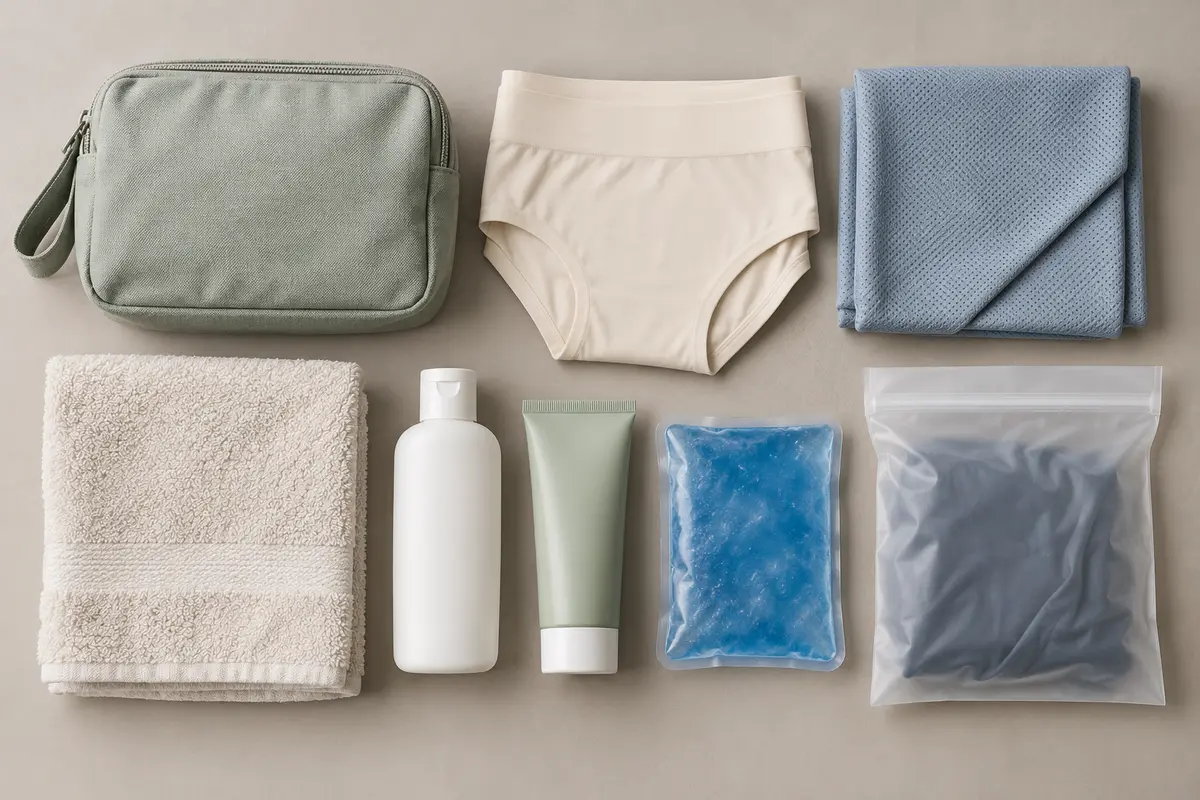
Relevant factors include spare underwear, barrier product, workplace comfort, dry clothing. Keep the kit small, familiar, and practical enough to carry during commuting, work, or travel. Observe. Record which fabrics, seams, and movements trigger discomfort.
During walking, monitor sealable bag, long walk, soft towel, wet clothing. Separate wet garments immediately and replace them before trapped warmth and movement create additional rubbing. Observe. Record which fabrics, seams, and movements trigger discomfort.
Practical checkpoints include daytime routine, fragrance-free cleanser, travel kit. Plan a private place to dry and change during long journeys instead of waiting for discomfort. Monitor changes. Record which fabrics, seams, and movements trigger discomfort.
Waistband and Seam Movement Test
Relevant factors include sitting test, seam rubbing, garment fit, walking test. A garment that feels comfortable while standing may shift substantially after several minutes of walking. Observe. Record which fabrics, seams, and movements trigger discomfort.
During walking, monitor rolling waistband, range of movement, bending test, digging elastic. Repeat the test with sitting, bending, stairs, and longer strides before relying on new clothing. Record which fabrics, seams, and movements trigger discomfort.
Practical checkpoints include skin contact, waistband movement, pressure points. Reject garments when rolling bands, raised seams, or concentrated pressure repeatedly contact the same skin area. Monitor changes. Record which fabrics, seams, and movements trigger discomfort.
Short Walk Versus Long Walk Preparation
Relevant factors include short walk, planned breaks, route planning, long walk. Preparation should reflect distance, pace, terrain, temperature, previous symptoms, and access to changing facilities. Monitor changes. Record which fabrics, seams, and movements trigger discomfort.
During walking, monitor clothing change, toilet access, walking duration, hydration. Longer walks may require planned breaks, spare garments, and opportunities to dry skin before irritation develops. Observe. Record which fabrics, seams, and movements trigger discomfort.
Practical checkpoints include washing facilities, weather forecast, sweat management. Choose routes realistically; hydration supports wellbeing but does not directly prevent clothing or skin friction. Change damp garments promptly before warmth and repeated rubbing increase irritation.
Preventing Recurrence During Daily Commuting
Relevant factors include daily commute, walking distance, friction prevention, recurring chafing. Daily records can reveal whether recurrence follows one route, garment, temperature, commute stage, or activity. Observe. Record which fabrics, seams, and movements trigger discomfort.
During walking, monitor public transport, skin monitoring, morning routine, spare garments. Adjust the earliest identifiable trigger rather than waiting until accumulated moisture and friction cause soreness. Observe. Record which fabrics, seams, and movements trigger discomfort.
Practical checkpoints include trigger tracking, work clothing, moisture control. Consistent preparation, changing, and skin checks usually work better than occasional intensive care after irritation. Change damp garments promptly before warmth and repeated rubbing increase irritation.
Mistakes That Can Make Chafing Worse
Relevant factors include vigorous rubbing, rough seams, multiple medicated products, harsh cleanser. Aggressive cleaning and fragranced products can add irritation without removing the original mechanical trigger. Observe. Record which fabrics, seams, and movements trigger discomfort.
During walking, monitor wet fabric, unsupported treatment, fragranced products, repeated friction. Continuing in wet, rough, or restrictive clothing delays recovery and repeatedly damages the same surface. Observe. Record which fabrics, seams, and movements trigger discomfort.
Practical checkpoints include ignored symptoms, tight waistband, excessive washing. Do not ignore persistent changes or layer multiple treatments without knowing which condition actually needs care. Monitor changes. Record which fabrics, seams, and movements trigger discomfort.
Frequently Asked Questions
Why Does My Lower Belly Chafe Only When Walking?
Relevant factors include walking friction, repeated movement, skin rubbing. Walking creates repeated contact that may be absent while standing, resting, or sitting still. Use gentle care and review worsening skin changes with a qualified professional.
During walking, monitor clothing seams, sweat buildup, moisture. Symptoms often begin only after enough heat, moisture, distance, and fabric movement accumulate together. Observe. Use gentle care and review worsening skin changes with a qualified professional.
Practical checkpoints include lower belly fold, movement pattern. Compare routes, garments, weather, and onset time to identify the movement pattern responsible for recurrence. Use gentle care and review worsening skin changes with a qualified professional.
What Fabric Is Best for Preventing Lower-Belly Chafing?
Relevant factors include breathable fabric, moisture-wicking material, personal comfort. No single fibre works universally because comfort depends on construction, climate, drying, softness, and fit. Change damp garments promptly before warmth and repeated rubbing increase irritation.
During walking, monitor smooth fabric, quick-drying fabric. Cotton may absorb moisture yet stay damp, while technical fabrics may dry faster but feel different. Use gentle care and review worsening skin changes with a qualified professional.
Practical checkpoints include soft cotton, fabric seams. Test seams and movement personally instead of assuming a fabric label guarantees freedom from irritation. Observe. Use gentle care and review worsening skin changes with a qualified professional.
Should Clothing Be Loose or Fitted?
Relevant factors include clothing fit, loose garments, fitted garments. Clothing should remain stable without compression, dragging, bunching, or excess material inside the fold. Use gentle care and review worsening skin changes with a qualified professional.
During walking, monitor fabric movement, excess material, tight clothing. Loose designs may improve airflow, whereas fitted garments may control movement when sized and constructed correctly. Monitor changes. Record which fabrics, seams, and movements trigger discomfort.
Practical checkpoints include secure waistband, personal fit. A walking test reveals personal fit more reliably than size labels or general clothing rules. Observe. Use gentle care and review worsening skin changes with a qualified professional.
Can I Apply Barrier Cream Before Walking?
Relevant factors include barrier cream, intact skin, pharmacist advice. A plain barrier can reduce direct rubbing on intact skin but cannot treat every rash. Change damp garments promptly before warmth and repeated rubbing increase irritation.
During walking, monitor product instructions, patch test. Follow directions, patch test unfamiliar products, and stop immediately when burning, itching, or redness develops. Observe. Use gentle care and review worsening skin changes with a qualified professional.
Practical checkpoints include friction reduction, skin sensitivity. Ask a pharmacist when skin is broken, symptoms recur, or several medicines and treatments are involved. Use gentle care and review worsening skin changes with a qualified professional.
How Can I Tell Chafing From a Fungal Infection?
Relevant factors include friction rash, fungal infection, persistent rash. Friction history can suggest chafing, but several rashes share redness, soreness, itching, and scaling. Use gentle care and review worsening skin changes with a qualified professional.
During walking, monitor itching, defined border, scaling. Defined borders or persistent symptoms may raise suspicion, yet they cannot establish a fungal diagnosis alone. Use gentle care and review worsening skin changes with a qualified professional.
Practical checkpoints include clinical assessment, self-diagnosis limits. Seek examination when uncertainty persists because correct treatment depends on cause rather than location or appearance. Use gentle care and review worsening skin changes with a qualified professional.
When Should I See a Doctor?
Relevant factors include persistent symptoms, worsening rash, spreading redness. Arrange assessment for persistent, spreading, worsening, painful, broken, or repeatedly irritated skin. Monitor changes. Use gentle care and review worsening skin changes with a qualified professional.
During walking, monitor broken skin, increasing pain, pus. Pus, fever, rapid deterioration, or general illness requires prompt advice rather than continued home treatment. Use gentle care and review worsening skin changes with a qualified professional.
Practical checkpoints include fever, recurrent irritation, medical assessment. Earlier review is sensible when diabetes, poor circulation, or weakened immunity increases the consequences of infection. Change damp garments promptly before warmth and repeated rubbing increase irritation.
3 responses