
Sweating Under a Belly Fold: Everyday Comfort Guide
Page Contents
- Why sweat collects under a belly fold
- Ordinary sweat, chafing and heat rash
- Understanding intertrigo and infection
- Everyday washing and drying
- Clothing and underwear choices
- Managing moisture throughout the day
- Products and self-treatment
- Signs of irritation or possible infection
- When to speak to a pharmacist or GP
- Frequently asked questions
- Why does my belly fold sweat so much?
- Does sweating under a belly fold mean infection?
- How can I keep the area dry during the day?
- Can I use deodorant, antiperspirant, or powder under a belly fold?
- When should I see a GP about sweating or irritation?
Sweating under a belly fold is common because skin folds create trapped moisture and warm conditions. This can cause everyday discomfort, particularly during hot weather, physical activity, travel, or periods spent wearing restrictive clothes.
A damp abdominal fold does not automatically indicate infection. However, prolonged ordinary moisture, skin contact, and skin-to-skin friction may weaken the surface, causing skin irritation, temporary dampness, tenderness, or increasing discomfort during everyday movement.
This guide explains moisture management, rash prevention, comfortable clothing, safe products, and warning signs. Because symptoms overlap, neither appearance nor self-diagnosis can reliably distinguish irritation, inflammation, or skin infection without proper clinical assessment.
Why sweat collects under a belly fold
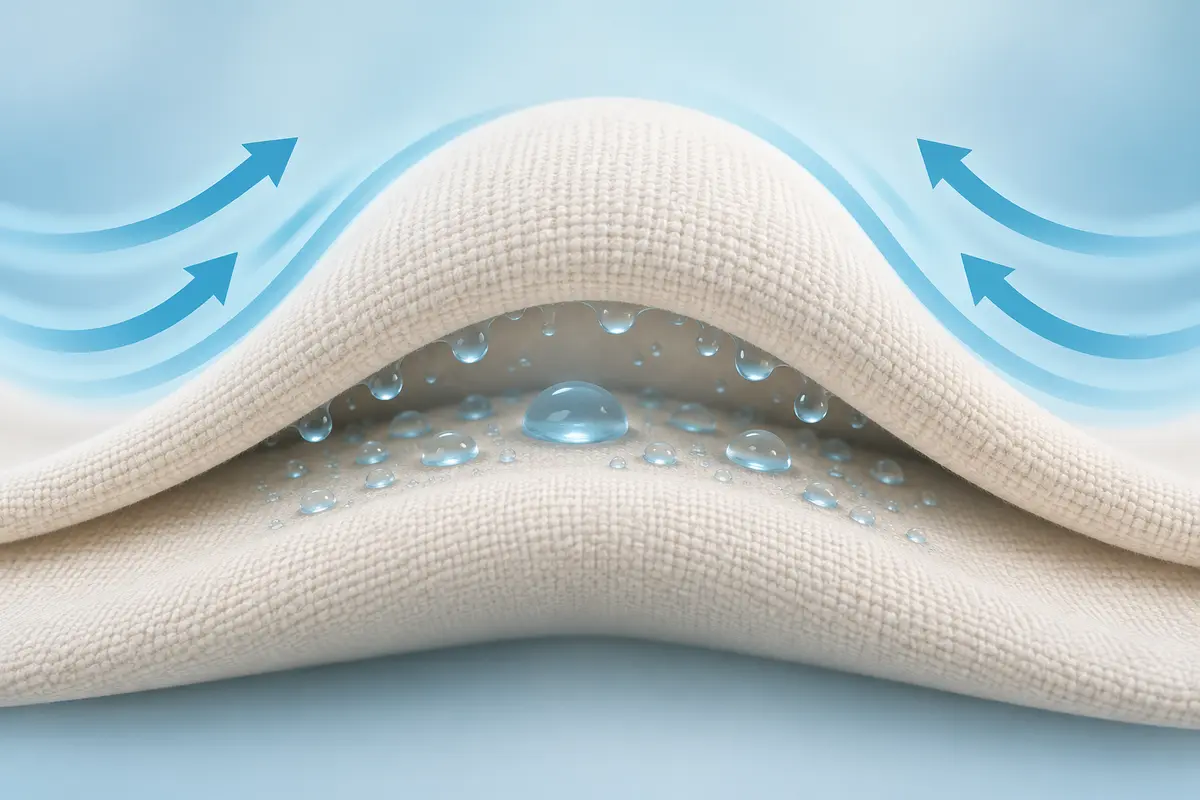
Skin folds slow sweat evaporation because adjacent skin surfaces retain body warmth. Reduced airflow and occlusion keep perspiration against the body, particularly when a deeper abdominal fold prevents moisture from evaporating normally throughout the day.
Hot weather, humid conditions, exercise, and movement can increase excessive sweating. Tight clothing, synthetic fabrics, clothing seams, and waistbands may hold moisture against the fold, increasing pressure and moisture-related friction during ordinary activities.
Daytime sweating is not a hygiene failure. A simple skin-monitoring routine can identify triggers including prolonged walking, workplace heat, exercise, commuting, restrictive garments, prolonged sitting, or activities producing repeated belly-fold sweating.
Ordinary sweat, chafing and heat rash
Ordinary sweating without pain or visible changes may only require drying, airflow, and clothing adjustments. Seek further guidance when there is a persistent rash, broken skin, substantial discomfort, continuing sensitivity, or worsening dampness.
Chafing occurs when skin rubbing or clothing friction damages the outer skin layer. This may produce redness, soreness, sensitive skin, or discomfort, especially where sweat increases rubbing beneath seams during walking or exercise.
Heat rash occurs when blocked sweat ducts hold trapped sweat beneath the surface. Typical features include small bumps, itchy skin, and a prickling sensation, particularly during warm weather or beneath restrictive clothing.
Understanding intertrigo and infection
Intertrigo means skin-fold inflammation occurring between opposing skin surfaces. Features can include red skin, discomfort, macerated skin, peeling, and skin cracks. The condition has multiple causes and may sometimes develop secondary infection.
Yeast, fungus, and bacteria can grow in warm, moist environments, but every rash is not infectious. Contact irritation, psoriasis, eczema, and other disorders may appear similar, so an examination may be necessary.
Avoid treating every rash with the same product. Antifungal, antibacterial, and anti-inflammatory treatments address different problems, while inappropriate topical steroids may damage delicate skin folds or conceal signs requiring medical assessment.
Everyday washing and drying
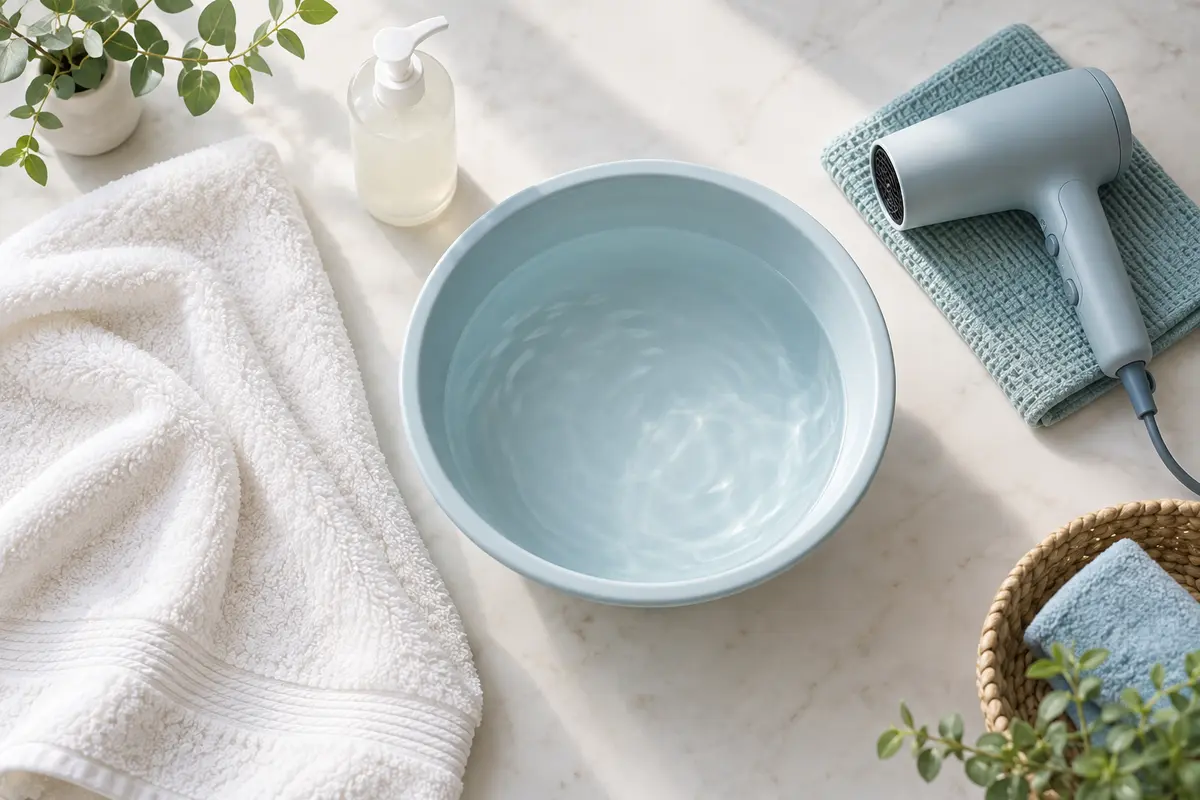
Use gentle, regular washing to remove perspiration without vigorous scrubbing. Plain water or fragrance-free products may feel more comfortable, while excessive washing, repeated friction, harsh cleanser, and soap irritation can worsen sensitivity.
After bathing, rinse the fold carefully and pat dry using a clean, soft towel. Thorough drying is particularly important within deeper creases, where moisture may remain after the surrounding surface already appears completely dry.
Repeat drying after exercise, heavy sweating, swimming, or commuting. Use cool airflow cautiously if necessary, replace damp clothing, and avoid leaving wet fabric against irritated skin because continuing moisture can increase rubbing and discomfort.
Clothing and underwear choices
Choose loose clothing and breathable fabrics that permit movement without dragging across the fold. Cotton may feel comfortable, although nylon and other synthetic fabrics differ considerably in breathability, moisture movement, and drying performance.
Comfortable underwear should remain secure without digging into the body. Seamless construction, correctly positioned waistbands, and an appropriate waistband fit may help prevent tight seams, rolling elastic, pressure, and skin-to-skin rubbing.
Test garments while sitting, walking, bending, and climbing stairs. Carry a change of clothes or make timely clothing changes when exercise, work, travel, or heat predictably leaves underwear damp and increases avoidable friction.
Managing moisture throughout the day
Create a practical daytime routine supporting moisture control. After exercise, commuting, or prolonged walking, pat the area dry, replace damp underwear, and avoid remaining in saturated clothes longer than necessary.
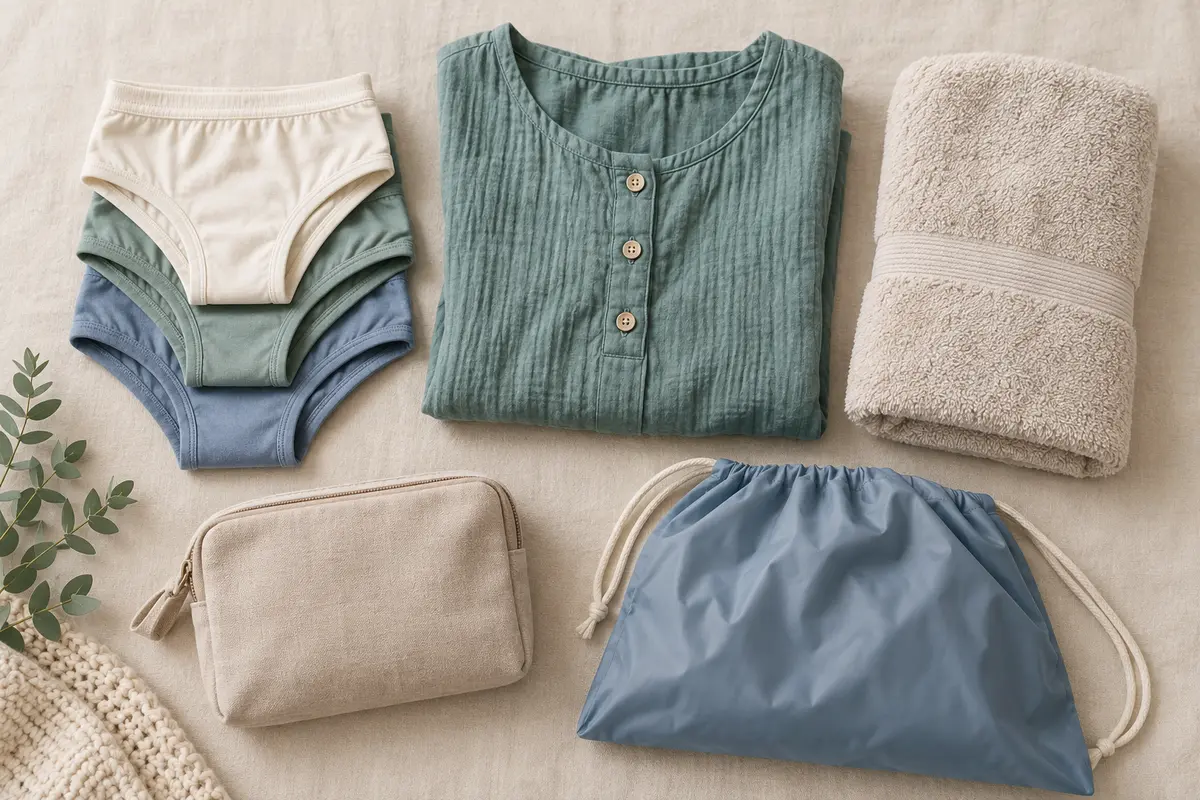
A daytime comfort kit can contain clean underwear, a soft towel, familiar fragrance-free products, and a sealable bag for damp clothes. These supplies support workplace comfort, travel comfort, and discreet daytime moisture management.
Useful planning may include post-exercise care, scheduled clothing changes, and access to washing facilities. Avoid keeping folded towels against the body, because continuously wet fabric may trap heat, increase rubbing, and create additional irritation.
Products and self-treatment
Unscented barrier products may reduce friction on intact skin, but they cannot treat every condition. Discontinue products producing stinging, itching, redness, or sensitivity, and avoid combining several medicated products without professional guidance.
Deodorant, antiperspirant, and powder formulations differ. Applying unfamiliar products to broken skin may cause irritation. Consider cautious patch testing elsewhere and request pharmacist advice when uncertain about suitability.
Persistent or recurrent symptoms need appropriate assessment rather than repeated experimentation. Seek GP advice when symptoms are severe, spreading, or unresponsive, because correct treatment depends on whether irritation, inflammation, yeast, fungus, or bacteria is responsible.
Signs of irritation or possible infection
Watch for persistent redness, soreness, discomfort, itching, prickling, cracked skin, split skin, moist skin, peeling skin, or weeping skin. These changes indicate irritation but cannot confirm its precise underlying cause.
Arrange medical advice for increasing pain, discharge, pus, unpleasant odour, a spreading rash, worsening rash, or recurring rash. These features may represent infection, inflammation, or another condition requiring a suitable examination and treatment.
Seek prompt assistance for worsening symptoms, spreading symptoms, persistent symptoms, pain, or no improvement. Fever alongside a rash requires timely assessment rather than continued unsupported home treatment.
When to speak to a pharmacist or GP
A pharmacist can advise about mild irritation, product selection, application, and medicine interactions. Contact a GP when the rash becomes painful, spreads, repeatedly returns, produces pus, or remains unchanged despite sensible washing and drying.
According to Gloucestershire Hospitals NHS guidance on intertrigo, people with diabetes or a weakened immune system may have greater infection risk. Earlier professional advice is sensible when their skin becomes broken, weeps, changes quickly, or causes increasing discomfort.
Moisture prevention and treatment are separate tasks. Drying and reduced friction support everyday comfort, but an established infection or inflammatory condition may require targeted care that clothing adjustments, barrier products, or washing cannot provide.
Frequently asked questions
Why does my belly fold sweat so much?
Sweat glands continue producing perspiration while skin contact traps heat and limits airflow. Hot weather, exercise, and physical activity can therefore make sweating beneath a belly fold more noticeable.
Does sweating under a belly fold mean infection?
No. Sweating creates ordinary moisture, not proof of infection. Seek clinical assessment when a rash persists or symptoms suggest yeast, fungus, bacteria, or another skin condition requiring treatment.
How can I keep the area dry during the day?
Pat drying, breathable clothing, timely clothing changes, and a consistent daytime routine support moisture control, especially after exercise, commuting, prolonged sitting, or strenuous physical work.
Can I use deodorant, antiperspirant, or powder under a belly fold?
Avoid applying unfamiliar products to broken skin. Product irritation can occur, so consider patch testing elsewhere and seek pharmacist advice, particularly when taking medicines or managing an existing rash.
When should I see a GP about sweating or irritation?
Seek advice when symptoms persist, worsen, spread, repeatedly return, produce pus, become increasingly painful, or occur with fever. People with diabetes or weakened immunity should ask for help sooner.
One Response