
FUPA Before and After: What Real Change Looks Like
Page Contents
- What realistic non-surgical change looks like
- Why online before-and-after images overstate what is possible
- Questions worth asking of any result you see
- What no honest before-and-after will show
- A realistic timeline for your own before-and-after
- How to photograph your own progress properly
- Better measures than photographs
- Why the same person’s result varies so much by starting point
- Managing expectations honestly
- Frequently asked questions
- How long before I see a before-and-after difference?
- Why do online results look so much better than mine?
- Can loose skin improve in a before-and-after?
- What is the best way to track my own progress?
- Should I take daily progress photos?
- What if six months of effort produced very little?
Before-and-after images are the most persuasive and least reliable form of evidence in this area. This guide covers what genuine change actually looks like over realistic timeframes, how to read the results you find online critically, and how to track your own progress in a way that gives you an honest answer.
For surgical results specifically, see our guide to surgical before-and-after outcomes. For why photographs of this area mislead generally, see our guide to FUPA pictures.
What realistic non-surgical change looks like
Most honest before-and-after results in this area fall into one of three categories, and knowing which you are looking at changes how impressive it should seem.
Fat reduction through sustained overall weight loss produces gradual, moderate change over three to six months or longer, since this area is typically among the last to respond. The result is usually a less prominent but still present area, rather than a flat one.
Postural change through improved pelvic alignment can produce a surprisingly visible difference within four to eight weeks, without any fat loss at all, because it changes how far the area projects forward rather than how much tissue is there.
Postpartum recovery produces the largest natural change of any category, most of it in the first six to twelve months, driven by the uterus returning to size, fluid resolving, skin retracting and any muscle separation closing.
Why online before-and-after images overstate what is possible
Several things inflate the apparent difference between two images, and most of them have nothing to do with the intervention being sold.
- Posture is the biggest one. A relaxed, anteriorly tilted stance in the “before” and an engaged, neutral stance in the “after” produces a dramatic difference with no physical change whatsoever.
- Lighting from above creates shadow that emphasises the fold; flat, frontal lighting erases it.
- Camera angle from below exaggerates the area; from slightly above it flattens.
- Clothing and underwear differ between shots more often than not, and a high-rise, structured waistband alone changes the silhouette substantially.
- Timing matters: “before” shots taken in the evening after eating and “after” shots taken first thing in the morning differ by bloating alone.
- Editing and tanning both alter perceived contour, and both are common in commercial imagery.
Questions worth asking of any result you see
Over what period was this achieved, and does that timeframe match the mechanism being claimed? Was overall weight lost, and if so how much, since a substantial whole-body change explains most local change. Is the posture and camera position genuinely matched between the two images? What was the starting point, and does it resemble yours? And who is publishing it, since a clinic, an influencer with an affiliate link and a private individual all have different incentives. A result with no timeframe attached is not a result you can learn anything from.
What no honest before-and-after will show
Loose skin does not tighten through diet, exercise, creams or time, so any non-surgical before-and-after showing a hanging fold becoming taut is either surgical, misleading, or a difference of posture and lighting. Similarly, diastasis recti closing is a rehabilitation outcome rather than a fat-loss one, and takes months of guided work. And no natural approach produces a completely flat mons pubis, because a mons containing some fat is normal anatomy rather than a defect that a sufficiently good result removes.
A realistic timeline for your own before-and-after
Weeks one to four typically show changes in bloating and posture only. Weeks four to eight can show genuine postural improvement, and overall fat loss may become visible elsewhere on the body before it shows here. Months three to six is when fat change in this specific area usually becomes measurable, assuming a deficit has been maintained. Beyond six months, continued gradual change is possible, but if nothing has shifted at all by then, the likely explanations are a smaller deficit than estimated, or that what remains is loose skin or your genetic fat distribution rather than something further effort will move.
How to photograph your own progress properly
If you want a meaningful comparison, control the variables that ruin other people’s images. Use the same room, the same time of day, ideally first thing in the morning before eating, and the same lighting. Wear the same clothing, and stand the same way each time with a neutral rather than tilted pelvis. Take both a front and a side view, since side profile shows this area far more informatively. Photograph monthly rather than daily, because day-to-day fluid retention changes this area more than a week of real fat loss does. Keep the images private and for your own reference.
Better measures than photographs
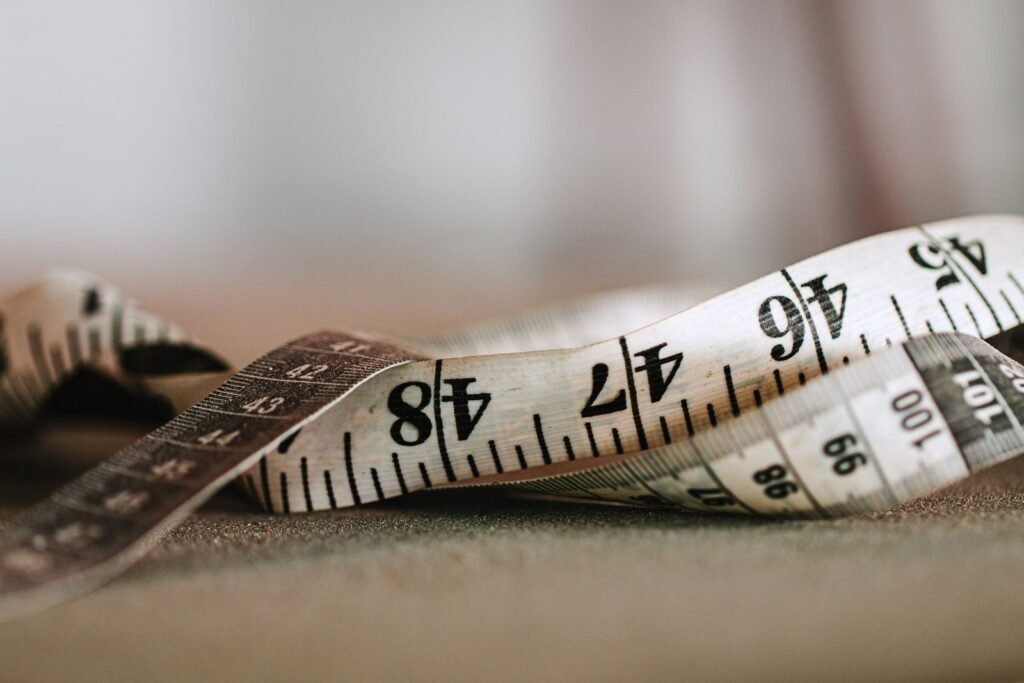
A tape measurement taken at the same anatomical point in the same conditions every few weeks is less flattering than a photograph and considerably more honest. How specific clothing fits, particularly a fitted waistband, tracks real change well and requires no equipment. Overall body weight, tracked as a weekly average rather than a daily reading, indicates whether the underlying mechanism is working at all, since this area only reduces when overall fat does. Using two or three of these together gives a far truer picture than any single mirror check.
Why the same person’s result varies so much by starting point
Two people can follow an identical approach for the same length of time and produce very different before-and-after images, which is worth understanding before concluding that a method failed for you. Someone whose prominence came from recent weight gain has fat to lose and skin that has not been stretched long, so their result tends to look substantial. Someone whose area reflects lifelong genetic fat distribution has less to lose there and a firmer baseline, so their change looks modest even when their overall progress was greater. Someone post-pregnancy is working with skin, muscle and hormones simultaneously, and their result depends heavily on how much each component recovered.
This is why a before-and-after is only informative when the starting situation matches yours. The useful question about any result is not what protocol produced it, but what was physically changing in that person’s body, since that is what determines whether the same approach could plausibly do the same for you.
Managing expectations honestly
The most common disappointment in this area is not that nothing changed, but that something changed and it was less dramatic than the images that prompted the effort. That gap is usually the fault of the images rather than the effort. A moderate, real improvement over six months is a good outcome here, and it is what the physiology supports. If you find that tracking progress is becoming preoccupying, or that the comparison is affecting your mood, stepping back from measurement entirely for a period is a reasonable choice, and your GP is a sensible person to talk to.
Frequently asked questions
How long before I see a before-and-after difference?
Postural change can show within four to eight weeks; fat change in this area typically takes three to six months of sustained overall fat loss.
Why do online results look so much better than mine?
Posture, lighting, camera angle, clothing and timing differences account for much of the apparent change in commercial before-and-after images, often more than the intervention itself.
Can loose skin improve in a before-and-after?
Not through non-surgical means. Any image showing a hanging fold becoming taut without surgery is likely explained by posture, lighting or editing.
What is the best way to track my own progress?
Monthly photographs in controlled conditions, combined with a tape measurement and how a fitted waistband feels, gives a more reliable picture than mirror checks.
Should I take daily progress photos?
No. Day-to-day fluid retention changes this area more than a week of genuine fat loss, so daily images measure noise rather than progress.
What if six months of effort produced very little?
The usual explanations are a smaller energy deficit than estimated, loose skin rather than fat, or simply your genetic fat distribution, none of which further effort alone will change.